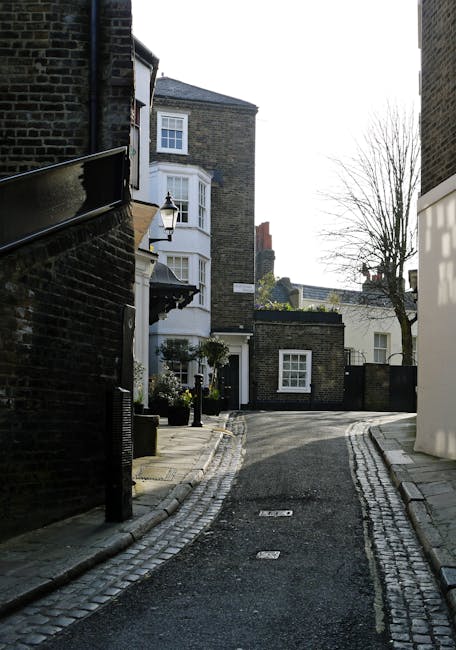
Access issues for Hampstead flats when cleaning teams attend
When a cleaning team is booked for a Hampstead flat, the job often looks straightforward on paper and then gets complicated at the front door. Narrow stairwells, controlled entry systems, awkward parking, porters, lift restrictions, and neighbours who are sensitive to noise can all turn a simple visit into a logistical puzzle. If you have ever stood outside with a set of keys that does not quite work, you already know the feeling.
This guide explains access issues for Hampstead flats when cleaning teams attend in plain English. It covers what usually goes wrong, how to prepare, what good access planning looks like, and how to reduce delays without making the whole process feel like a military operation. We will also look at practical checks, compliance considerations, and a few real-world habits that make the difference between a smooth appointment and a frustrating one.
- Why access matters in Hampstead flats
- How access arrangements work on the day
- Benefits of planning access properly
- Who this is for
- Step-by-step guidance
- Expert tips
- Common mistakes to avoid
- Tools, resources and recommendations
- Law, compliance and best practice
- Options and comparison table
- Case study example
- Practical checklist
- Conclusion
- Frequently asked questions
Why access issues for Hampstead flats when cleaning teams attend Matters
Access is not just a convenience issue. It affects whether the team can start on time, whether equipment can be brought in safely, and whether the clean is completed properly in the time booked. In flats, especially older Hampstead conversions and mansion blocks, the challenge is often not the cleaning itself but the journey to the property and the movement around it.
To be fair, most delays are preventable. A missing entry code, an unannounced concierge policy, or a lift too small for a vacuum, water machine, and cleaning caddy can waste the first part of the appointment. That means less time spent on the actual work and more chance of rescheduling. Nobody wants that, least of all the person who has already rearranged their day.
Good access planning also matters for safety. Cleaning teams may need to carry damp equipment, extension leads, or delicate items through shared hallways. If the route is cramped or not properly cleared, the risk of knocks, trips, and awkward damage goes up. A flat may be tidy inside but still be a logistical headache from the street to the front door.
For landlords, tenants, and managing agents, the stakes are practical and financial. A missed appointment can affect move-out deadlines, inventory timing, or end-of-tenancy checklists. For homeowners, it can mean cleaning around family schedules, pets, or work calls. And for cleaning companies, access problems can lead to rushed work, unhappy customers, and avoidable complaints. If you want better results, access is where the process starts.
Expert summary: In flat-based cleaning, the best results usually come from boring but effective preparation: correct keys, correct timings, clear entry instructions, and a realistic plan for stairs, lifts, parking, and neighbour considerations. Sounds simple. It usually is. But simple only after someone has done the thinking.
How access issues for Hampstead flats when cleaning teams attend Works
The access process normally starts before the team arrives. A good booking conversation should establish how the property is entered, whether someone will be present, and whether there are any building-specific rules. That might include a buzzer code, a concierge desk, a resident permit, or a requirement to call on arrival. Small details, but they matter.
On the day, the cleaner or team typically follows a simple sequence: arrive, gain entry, confirm the property is available, protect the route if needed, and begin the work. In a flat, that route may involve shared stairwells, narrow hallways, or lift access with limited capacity. If the cleaner is attending for deep cleaning or a larger visit such as end of tenancy cleaning, there may be more equipment than usual, so the access plan needs to be more precise.
Problems usually arise when the information given at booking does not match the reality on site. A customer may say the flat is on the ground floor, but forget the building has several locked gates. Or the lift might exist, but it is out of service that morning. These things happen. London buildings have a way of being charming and slightly inconvenient at the same time.
Where access is tight, cleaning teams often adjust the order of work. They may bring in lighter equipment first, split the task into stages, or work room by room to minimise repeated movement through the building. For services like carpet cleaning, sofa cleaning, or window cleaning, this planning becomes even more important because moisture, hoses, and drying time all need consideration.
In practice, the cleaner is not trying to be difficult if they ask about parking, lift sizes, or where to set up. They are trying to protect the property and finish the work properly. That is a good sign, not a nuisance.
Key Benefits and Practical Advantages
Once access is organised properly, the whole appointment feels calmer. That may sound obvious, but calm is underrated. When the team can enter without fuss, they spend their energy on cleaning instead of solving building puzzles at the door.
Here are the main benefits of planning access well for Hampstead flats:
- Fewer delays: The team starts on time and uses the booked slot efficiently.
- Lower risk of damage: Clear routes reduce the chance of scuffs, knocks, and accidental spills.
- Better quality work: More time is spent on cleaning, not waiting or backtracking.
- Smoother communication: Everyone knows what to expect, which reduces confusion.
- Less disruption to neighbours: Quiet entry and sensible timing help keep things polite in shared buildings.
- Improved value: Efficient access can help avoid wasted visits or unnecessary repeat attendance.
There is also a trust benefit. When a cleaning company asks the right questions up front, it shows they understand real-world conditions rather than pretending every flat is an easy front-door job. That matters, especially in Hampstead where properties can vary a lot from modern apartments to older conversions with quirks you only discover after you arrive.
And let's not forget the emotional side. If you are managing a busy household or letting property, one smooth appointment can remove a surprising amount of stress. A clean flat is nice. A clean flat without a morning of chasing keys and apologising to the concierge? Much nicer.
Who This Is For and When It Makes Sense
This topic is relevant to anyone arranging cleaning in a flat, but it is especially useful if the property has any of the following:
- shared entrances or gated access
- concierge or porter-controlled entry
- coded doors, fobs, or intercom systems
- upper-floor access with no lift or a small lift
- limited parking or loading space outside
- shared corridors where noise or moisture needs care
- tenants, landlords, agents, or multiple occupants coordinating access
It also makes sense if you are booking specialist services. For example, a one-hour surface clean is usually easier to arrange than one-off cleaning, which may involve more supplies and more time moving between rooms. Similarly, if the property needs oven cleaning or upholstery cleaning, the team may need water access, ventilation, and a little more room to work comfortably.
Landlords and managing agents should pay close attention too. Access mistakes can create complaints from tenants or delays around check-in and check-out schedules. If you manage multiple properties, a clear process saves an enormous amount of back-and-forth. Honestly, it pays for itself in fewer texts alone.
Homeowners may think access is simple because they will be in the flat. Even then, the detail matters. Will the team need to ring a different buzzer? Is the front gate sometimes sticky? Do you have a dog that reacts to visitors? Small things, but they can shape the whole visit.
Step-by-Step Guidance
Here is a practical way to handle access for a Hampstead flat without overcomplicating it.
- Confirm the exact address and entry route. Include building name, block number, flat number, and any alternate entrance used by visitors or contractors.
- Share door codes, buzzer instructions, and concierge details. If there is a time limit for visitor entry, say so in advance.
- Explain the internal layout. Let the team know whether there are stairs, narrow landings, or a lift that may be too small for larger items.
- Check parking and loading options. Even if the clean is small, a team may need temporary stopping space to unload equipment.
- Clear pathways inside the flat. Shoes, bags, pushchairs, and loose rugs can all slow down access once the team has entered.
- Flag special access needs early. This may include mobility considerations, hearing issues, or a request for a quieter arrival.
- Confirm who will be present. If nobody will be home, make sure keys, fobs, or lockbox arrangements are organised carefully.
- Keep a backup contact available. A neighbour, agent, or concierge contact can save the appointment if the first method fails.
If you are booking a broader service such as domestic cleaning or house cleaning, you may also want to note any rooms that are off-limits, being renovated, or currently used for storage. That prevents the team from wasting time and keeps the visit tidy from the start.
A simple pre-arrival message often solves most problems. Something like: "Use the side gate, ring Flat 4 on the intercom, no lift, third floor, and please call if access is blocked." Not glamorous, but very effective.
Expert Tips for Better Results
After enough flat-based cleaning visits, a few habits stand out as consistently helpful. These are the small things that keep the whole day moving.
- Send instructions in writing. Spoken directions are easy to forget, especially when people are rushing.
- Use landmarks, not assumptions. "Next to the white gate" is often better than "you'll see it" when Hampstead streets are busy.
- Allow a little buffer time. A tight schedule makes access issues feel much worse than they are.
- Let the team know about delicate surfaces. Original wood floors, antique tiles, or freshly painted walls need care on the route in and out.
- Keep keys together. If there are multiple sets floating around, the wrong one always seems to be the one someone grabs.
- Test intercoms and fobs beforehand. Nothing is more annoying than discovering a dead buzzer at the exact moment the team arrives.
If the flat is part of a building with strict common-area rules, ask whether mats, shoe covers, or protective measures are expected. Reputable teams often have routines for this, particularly when carrying equipment for services such as rug cleaning or cleaners attending repeat visits.
One practical observation from the field: the best access notes are usually boring. There is no need for essays. Short, direct, and complete beats elaborate every time.
Common Mistakes to Avoid
Most access problems are surprisingly ordinary. They happen because one small detail gets missed, then the day starts slipping.
- Assuming the building rules are obvious. They are rarely obvious, and often they change.
- Leaving key handover until the last minute. If the key is in a drawer somewhere, the appointment is already on the back foot.
- Forgetting parking restrictions. In Hampstead, parking can be the difference between a smooth arrival and a long, awkward walk with equipment.
- Not mentioning stairs or narrow lifts. This matters for heavier gear and for efficient room-to-room movement.
- Overbooking the day. If there is no buffer, any delay becomes a real problem.
- Giving only verbal instructions. If the concierge changes or the tenant is out, those instructions can vanish into thin air.
There is a second category of mistake too: underestimating the impact on the clean itself. If the team arrives flustered, the job can feel rushed. That is not ideal for thorough tasks like oven cleaner visits or detailed sofa cleaning where setup and drying conditions matter.
And yes, sometimes the mistake is simply not asking enough questions. No shame in that. But asking late is always harder than asking early.
Tools, Resources and Recommendations
You do not need fancy systems to manage access well. A few sensible tools are enough.
- Written access notes: A short email or text thread that includes the entrance route, key handling, and any building quirks.
- Photo references: A quick picture of the correct door, gate, buzzer panel, or parking bay can remove confusion.
- Checklists: A standard pre-visit checklist for tenants, owners, or agents helps keep information consistent.
- Timed reminders: A reminder the evening before can catch a missing code or key arrangement before the visit begins.
- Flexible scheduling: A slightly wider arrival window is useful in areas where traffic and parking can be unpredictable.
For customers arranging several services, a joined-up approach helps. A flat that needs window cleaning, hard floor cleaning, and general surface work is easier to manage if one person is responsible for access and one clear set of notes is shared. That sounds simple because it is.
You may also want to review company pages that explain standards and expectations, such as health and safety policy, insurance and safety, and pricing and quotes. Those pages help you understand how a provider handles the practical side of service, especially when access is awkward or the property layout is less than straightforward.
Law, Compliance, Standards, or Best Practice
For flat cleaning visits, the main compliance concern is usually not a special "access law" as such, but the broader duty to work safely, respect building rules, and avoid damage or inconvenience. In the UK, good practice generally means clear communication, sensible risk awareness, and respect for shared spaces. That is especially relevant in multi-occupancy buildings where residents, managing agents, and contractors all have a stake in how access is handled.
From a practical standpoint, this means:
- not blocking shared hallways or fire exits
- handling equipment carefully in communal areas
- following any site-specific instructions from the building
- being mindful of noise and timing in shared settings
- keeping access information limited to the people who actually need it
If keys, codes, or personal details are being shared, privacy matters too. It is sensible to keep that information secure and only provide what is necessary for the appointment. For more on how information is handled, the company's privacy policy is a useful place to check.
Best practice also includes being honest about what the team can and cannot do safely. If access is blocked, a lift is out, or the route is unsafe, it is better to pause than force the issue. That is not being awkward. That is being responsible.
Options, Methods, or Comparison Table
There is no single perfect access method for every Hampstead flat. The right choice depends on the building, the urgency of the clean, and who is available on the day.
| Access method | Best for | Pros | Drawbacks |
|---|---|---|---|
| Resident present on arrival | Homes with flexible schedules | Fast entry, easy clarification, fewer key-handling issues | Requires someone to be there and available |
| Concierge or porter access | Managed blocks and modern developments | Professional handover, good for larger buildings | Depends on concierge hours and building policy |
| Key collection or lockbox | Tenancies, landlords, and vacant flats | Convenient for unattended visits | Needs secure handling and correct instructions |
| Remote entry via code or intercom | Buildings with digital access systems | Useful when no one is at home | Codes can fail, expire, or be misread |
In many cases, the best answer is a hybrid approach. For example, a resident may be present to open the flat, but a concierge handles the building door. That works well if everyone communicates clearly. If not, it can become a game of phone ping-pong, which nobody enjoys.
Case Study or Real-World Example
Imagine a two-bedroom Hampstead flat in a converted building off a busy road. The clean is booked for a weekday morning. The resident is working from home in another room, the building front door is controlled by an intercom, and the flat is up two flights of stairs with a small lift that sometimes jams when overloaded. Not unusual at all.
The first booking message includes the flat number and the cleaning service, but not the parking detail or the building entrance instructions. The team arrives, finds the front entrance but cannot get through the secondary gate without a code, and then waits while the resident searches messages. Ten minutes pass. Then the lift is briefly used for a neighbour's shopping trolley, so the cleaner decides to carry lighter items upstairs first and bring in the heavier equipment later. The clean still gets done, but the team has lost time and the resident feels rushed.
Now compare that with a better version. The access note says: use the side gate, ring Flat 6, the entrance code is shared the day before, parking is available for 20 minutes in a loading bay, and the lift is small so large equipment may be brought up in stages. On the day, the team enters quickly, protects the stair route, and starts on the carpets without delay. Much smoother. Same flat, same service, different result because the access plan was clear from the start.
That is the whole point, really. The cleaning quality may be the visible outcome, but access is what sets the tone. If the entrance is easy, everything else tends to follow.
Practical Checklist
Use this checklist before a cleaning team attends your Hampstead flat:
- Confirm the full address and flat number
- Share all entry codes, fobs, and intercom instructions
- Check whether the team needs concierge or porter approval
- Explain stairs, lift size, and any known building restrictions
- Confirm parking or loading arrangements
- Tell the team if pets are present
- Clear the route from the entrance to the work area
- Move fragile items away from hallways and doorways
- Keep a backup contact available in case access fails
- Double-check the appointment time the day before
If you are arranging a broader clean, it can also help to mention related tasks such as office cleaning for mixed-use flats or after builders cleaning where dust, debris, and access restrictions often go hand in hand. Different jobs, same principle: the team needs a clear route and a clear brief.
One last tiny tip. Put the access details in the same place every time. Different thread, same wording. Your future self will thank you. Probably with coffee.
Get a free quote today and see how much you can save.
Conclusion
Access issues for Hampstead flats when cleaning teams attend are common, but they do not have to be a headache. Most problems come down to incomplete information, uncertain building rules, or underestimated logistics. Once you treat access as part of the service rather than an afterthought, the whole experience improves.
The best approach is simple: share clear instructions, confirm the route, allow a little flexibility, and keep communication human. That is usually enough to prevent the awkward doorstep wait, the missed call, or the rushed entrance with everyone pretending it is fine when it clearly isn't.
When access is handled well, the cleaning team can do what they do best, and you get a calmer, cleaner result. In a place like Hampstead, with its mix of character buildings and modern developments, that kind of practical planning makes all the difference. Small effort, big payoff. Honestly, that is about as good as property logistics gets.
Frequently Asked Questions
What are the most common access issues in Hampstead flats?
The most common issues are entry codes that are not working, unclear buzzer instructions, limited parking, small lifts, and shared entrances that need concierge approval. Stairs and narrow hallways also cause problems when larger cleaning equipment has to be carried in.
Should I stay in the flat while the cleaning team attends?
If you can stay, it often makes access easier because the team can ask quick questions and confirm room priorities. That said, many visits work perfectly well when access is arranged in advance through a key handover, concierge, or lockbox system.
Do cleaning teams need parking outside Hampstead flats?
Not always, but parking or short loading access is very helpful. Even for smaller jobs, the team may need to unload equipment close to the entrance. If parking is difficult, tell them in advance so they can plan their arrival and timing.
What should I tell the cleaners before they arrive?
Tell them the full address, flat number, entry instructions, any codes or keys, whether a concierge is involved, and whether there are stairs or a lift. It is also useful to mention pets, fragile flooring, or anything that affects the route through the building.
What happens if the team cannot get into the building?
If access fails, the appointment may be delayed or rescheduled depending on the circumstances. That is why backup contact details and written instructions are so useful. A short, clear message can save a lot of time and frustration.
How can I make shared hallway access safer?
Keep the route clear, remove obstacles, and avoid stacking items near doors or stairwells. The team should also avoid blocking common areas with equipment. If the building has special rules, share them before the appointment.
Are access problems worse for carpet cleaning and upholstery cleaning?
They can be, because those services often involve more equipment, water, or drying considerations than a basic surface clean. A clear route in and out helps reduce delays and protects the building's shared spaces.
What if the lift is too small for equipment?
Tell the team in advance. They may adjust the setup, bring lighter equipment first, or split the task into stages. It is much better to know beforehand than to discover the problem at the doorway.
Can I leave keys or fobs with the cleaning company?
Yes, if you are comfortable doing so and the arrangements are secure. It is wise to confirm exactly how the keys will be handled and returned. Security and clarity matter more than convenience here, to be fair.
Do access issues affect pricing?
They can affect the time needed for the visit, which may influence the quote. A difficult entry route, restricted parking, or multiple stages of access can make the job more time-consuming. The safest approach is to give full details when asking for pricing.
What is the best way to avoid misunderstandings on the day?
Send the access details in writing the day before, keep them short and specific, and include a backup phone number. If anything changes, update the team straight away. Clear notes beat memory every time.
Are there any privacy concerns with access codes and keys?
Yes, so only share access information with the people who actually need it. If you want to understand how information is handled, it is sensible to review the company's privacy policy and related service terms before the appointment.