Recycling and Sustainability at Carpetcleaning Hampstead
 At Carpetcleaning Hampstead, sustainability is built into the way we plan, travel, clean, and dispose of waste. Our approach to carpet cleaning Hampstead services is designed to reduce environmental impact while still delivering a thorough, professional finish for homes, flats, offices, and shared buildings across the area. We aim to keep our operations practical, efficient, and responsible, with a focus on reducing waste, reusing materials where possible, and sending less to landfill.
One of our main goals is to achieve a recycling percentage target of 90% for recoverable operational waste. That includes packaging, consumables, and other materials generated during our service runs. We separate waste carefully before it leaves our vehicles or storage points, helping ensure that recyclable items are diverted into the correct streams rather than mixed with general rubbish. This commitment reflects the wider expectation in local boroughs, where waste separation is increasingly important and recycling rules encourage residents and businesses to sort paper, plastics, metals, and food waste at source.
We also work with local transfer stations to make sure any waste we cannot recycle directly is handled responsibly. By using approved transfer stations and licensed waste routes in and around North and West London, our carpet cleaners in Hampstead can support better material recovery and traceability. These facilities help with separating bulky items, consolidating recyclables, and ensuring that non-recyclable waste is processed in line with current environmental standards.
Practical Recycling in Everyday Cleaning
 Sustainability is not only about what happens after a job is finished; it also starts with the products and materials chosen before we arrive. We prioritise refillable and concentrated cleaning solutions where suitable, reducing single-use plastic and lowering transport weight. Where packaging does need to be disposed of, it is sorted carefully by material type. Our Carpetcleaning Hampstead team also encourages the reuse of suitable protective items and equipment components to cut down on unnecessary replacements.
In a borough like Hampstead, recycling habits can vary from street to street, particularly where homes range from mansion blocks to smaller terraces and converted flats. Many local councils now ask for clearer separation of dry mixed recycling, food waste, garden waste, and residual rubbish. That wider boroughs approach to waste separation has influenced how we manage our own service waste. By keeping different materials apart early, we reduce contamination and improve the chances that items such as cardboard, plastic film, and metal fittings can be recovered effectively.
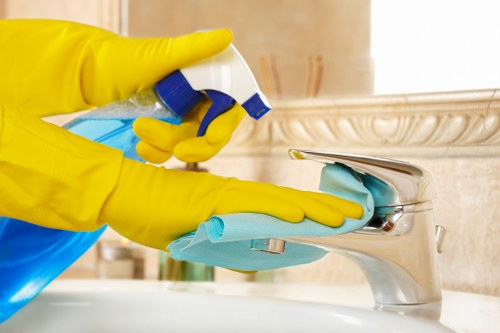 We also pay attention to the small but important details that add up over time. Used cloths, filters, and packaging are sorted into suitable recycling or disposal routes depending on their condition and material composition. When possible, we choose reusable containers and durable tools, which helps reduce the amount of disposable material generated by each carpet cleaning Hampstead appointment. This practical mindset supports a cleaner local environment and helps us keep our operations aligned with modern sustainability expectations.
Partnerships That Extend the Life of Useful Items
Another key part of our sustainability work is partnering with charities and community organisations that can give usable items a second life. While some materials from cleaning jobs cannot be reused, many household textiles, linens, and certain soft furnishings may still be suitable for donation if they are clean and in good condition. Through charitable partnerships, we help reduce waste and support local good causes at the same time.
These relationships matter because they create a more circular approach to resource use. Instead of thinking only in terms of disposal, our Carpetcleaning Hampstead operations look for ways to extend the value of materials wherever possible. Items that are not suitable for re-use are directed through the correct recycling channel, while anything reusable is assessed for donation to charity partners that support families, community projects, and reuse networks. This balanced method helps keep more material in circulation and less in the bin.
We also take care to separate service-related waste from domestic waste streams, which is especially important in an area with dense housing and varied collection systems. In many parts of the borough, residents are encouraged to sort recyclables into distinct containers or sacks, and we follow that same disciplined approach in our work. It means our carpet cleaners in Hampstead can contribute to a broader local effort that values cleaner streets, lower landfill use, and better recycling outcomes.
Lower-Carbon Travel for a Cleaner Service
 Transport is another major part of our environmental planning. Our service fleet uses low-carbon vans chosen for efficiency, lower emissions, and reduced fuel use compared with older vehicles. These vans are maintained to high standards so they remain economical and reliable, helping us minimise our carbon footprint across the daily routes we cover throughout Hampstead and nearby districts.
By improving route planning, reducing unnecessary mileage, and loading equipment efficiently, we make each journey more sustainable. This matters in urban areas where traffic and stop-start driving can increase emissions quickly. Our Carpetcleaning Hampstead teams aim to combine local scheduling with smart logistics, so each van completes multiple jobs without excessive backtracking. Over time, that helps lower the overall environmental impact of the service while maintaining punctuality and quality.
 We see sustainability as a continuous process rather than a one-time promise. From recycling percentage targets and licensed transfer stations to charity partnerships and cleaner vehicles, every part of the operation is reviewed with care. Our goal is to provide eco-conscious carpet cleaning Hampstead residents and businesses can rely on, while supporting the borough’s broader commitment to responsible waste handling, resource recovery, and lower-carbon living.