End of tenancy cleaning Belsize Park and South End Green
If you're moving out in a hurry, juggling keys, boxes, and the last few bits that always seem to hide under the bed, end of tenancy cleaning can feel like the bit you'd rather not think about. But for tenants in Belsize Park and South End Green, it's often the difference between a smooth handover and awkward deposit disputes. This guide to End of tenancy cleaning Belsize Park and South End Green explains what the service usually covers, why it matters, how to approach it properly, and where the common mistakes tend to creep in. A good clean is not just about making the place look nice. It is about meeting the expected standard and leaving nothing behind for the next person to discover the hard way.
Whether you're ending a short let, a long tenancy, or moving from a flat that has picked up the usual London wear and tear, you'll find practical steps here, not fluff. Let's get into it.
- Why it matters
- How the cleaning process works
- Key benefits and practical advantages
- Who needs this service
- Step-by-step guidance
- Expert tips for better results
- Common mistakes to avoid
- Tools, resources and recommendations
- Law, compliance and best practice
- Options and comparisons
- Real-world example
- Practical checklist
- Conclusion
- Frequently asked questions
Why End of tenancy cleaning Belsize Park and South End Green Matters
End of tenancy cleaning matters because moving out is not just a change of address; it is a handover. In practical terms, the property needs to be left in a condition that matches the tenancy agreement and the check-in standard, allowing for fair wear and tear. That sounds straightforward until you're standing in a kitchen at 8 p.m., staring at a greasy extractor fan and wondering how it got that way.
In Belsize Park and South End Green, rental homes often range from compact flats to larger period properties. Older layouts, sash windows, high ceilings, and well-used communal hallways all come with their own cleaning quirks. Dust collects on cornices, limescale settles into bathroom fittings, and carpets quietly hold onto the story of the whole tenancy. A proper end of tenancy clean helps bring the property back to a neutral, ready-for-inspection condition.
It also helps reduce friction. No one wants a back-and-forth over a smudge on a hob, a missed patch behind a radiator, or an oven tray that was "almost clean." To be fair, these small details are often the ones that decide whether a checkout feels tidy and fair or stressful and rushed.
Practical takeaway: end of tenancy cleaning is less about perfection and more about controlled, thorough restoration. The goal is to leave the property inspection-ready, not just surface-clean.
If you also need a broader reset before or after moving, a deep cleaning service can be a useful companion to tenancy cleaning, especially where the property needs extra attention in kitchens, bathrooms, or neglected corners.
How End of tenancy cleaning Belsize Park and South End Green Works
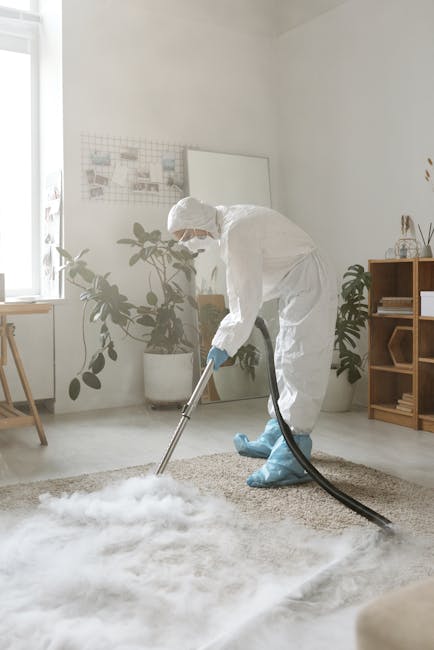
Most end of tenancy cleaning jobs follow a room-by-room process. A professional clean normally starts at the top of the space and works down, so dust, crumbs, and residue are removed in a sensible order rather than shifted around the property.
Here's the usual rhythm:
- Initial walkthrough: the cleaner assesses the property size, condition, and any problem areas.
- Kitchen focus: appliances, cupboards, splashbacks, sinks, worktops, and floors are tackled carefully.
- Bathroom sanitising: limescale, soap residue, taps, toilets, tiles, and mirrors are cleaned.
- Living areas and bedrooms: skirting boards, fixtures, wardrobes, surfaces, and flooring are cleaned.
- Floor finishing: carpets, hard floors, and edges are finished last so the result stays tidy.
- Final check: a last look catches missed marks, streaks, and detail spots.
In many properties, the kitchen and bathroom take the longest. That's normal. Grease in ovens and on cooker hoods, plus scale in bathrooms, tends to need a bit of elbow grease. Nothing dramatic, just honest work.
A proper clean is usually more detailed than a weekly or fortnightly domestic clean. If the property has stubborn build-up, stains, or post-renovation mess, the team may also suggest oven cleaning, window cleaning, or carpet cleaning where appropriate.
Key Benefits and Practical Advantages
There are some obvious benefits, but the less obvious ones matter too. A thorough move-out clean saves time, lowers stress, and gives you one less thing to chase while dealing with removals, inventory checks, and utility changes. That alone is worth something.
- Better chance of a smooth checkout: a cleaner property is easier for landlords or letting agents to inspect fairly.
- Less last-minute panic: you are not trying to scrub a fridge at midnight before the keys go back.
- More consistent results: professionals usually work to a repeatable method, which helps avoid missed areas.
- Useful for busy households: if you're working, travelling, or moving with children, this service removes a major burden.
- More than surface appearance: the job goes beyond visible areas to places people forget, such as behind appliances and along edges.
There is also a mental benefit. A clean handover feels tidy in the head as well as in the property. You lock the door and move on, rather than replaying whether you forgot the cupboard under the sink. That little bit of certainty counts.
If the move-out is part of a wider reset, it can help to look at related services such as one-off cleaning or domestic cleaning when you need support beyond the tenancy checklist.
Who This Is For and When It Makes Sense
This service is for tenants, landlords, and sometimes managing agents who need a property returned to a clean, neutral standard. It is especially useful if the place has been lived in for more than a few months, or if the exit date is tight. Truth be told, that's most people.
It makes sense when:
- you're moving out of a rented flat or house in Belsize Park or South End Green;
- you want to reduce the risk of avoidable cleaning disputes;
- the property has carpets, upholstered furniture, or hard-to-reach fixtures;
- you're short on time and can't deep-clean properly yourself;
- the property has pets, heavy cooking use, or general build-up over time;
- you need a cleaner handover before new tenants move in.
It is not only for "messy" homes either. Even a well-kept property can lose points at checkout because of detail work: a dusty blind, a streaky shower screen, or crumbs in a drawer runner. Those little things are easy to miss when you've been living there day after day.
For landlords or agents preparing multiple properties, a reliable cleaning company can make the turnover process more predictable. And if you need help with routine upkeep between tenancies, home cleaners or house cleaning may be more suitable outside move-out periods.
Step-by-Step Guidance
If you want the process to go smoothly, treat it like a sequence rather than a scramble. Start early, keep the moving-out paperwork nearby, and work methodically. You really don't want to be bagging clothes while scrubbing skirting boards. It's chaos, and nobody enjoys that version of moving day.
1. Read the tenancy agreement
Check what the agreement says about cleaning, carpets, appliances, and professional services. Some tenancies are specific; others are broader. This is your baseline.
2. Compare the check-in condition
If you have the inventory report or check-in photos, use them. They show the original condition and help you understand what "clean" actually means for that property. This is especially useful in older flats where normal wear can look like dirt if you don't have context.
3. Declutter and remove personal items
Cleaning goes faster when surfaces are clear. Empty cupboards, remove bins, and make sure drawers and wardrobes are not still packed with stray bits. You'd be surprised how often a phone charger or single shoe is left behind. Happens all the time.
4. Tackle the hardest rooms first
Start with the kitchen and bathrooms. These areas usually need the most detail, and getting them done early gives you momentum. Once the worst parts are finished, the rest feels more manageable.
5. Clean from top to bottom
Dust higher surfaces first, then work down to worktops, fittings, and floors. That way you avoid cleaning the same area twice. Sensible, not glamorous.
6. Focus on detail points
Pay attention to edges, handles, sockets, light switches, skirting boards, and behind appliances. In most inspections, it's the detail points that create a polished impression.
7. Do a final room-by-room sweep
Open doors, check mirrors in daylight if possible, and look from different angles. A streak may not show under the bathroom light, but it will appear when the agent walks in at midday. Annoying, but true.
If carpets need attention, a specialist carpets cleaner or dedicated carpet cleaner can help lift the final impression. For soft furnishings, upholstery cleaning and sofa cleaning can be useful additions.
Expert Tips for Better Results
A few small decisions can make the whole job easier and the finish noticeably better. These are the sort of things that sound basic until you skip them and end up regretting it later.
- Use daylight where possible: natural light reveals streaks, dust, and missed patches more clearly than warm indoor bulbs.
- Let cleaning products sit briefly: especially in ovens, showers, and sinks. Give them a moment to do the work.
- Work in zones: finish one room properly before moving to the next. Half-finished rooms are where mistakes hide.
- Don't forget ventilation: opening windows during cleaning helps reduce odour and drying time.
- Protect delicate finishes: older fittings, painted woodwork, and period details in Belsize Park properties can mark more easily than expected.
- Book specialist help for stubborn jobs: if the oven, windows, or carpets are beyond what you can reasonably manage, it is smarter to outsource them.
Another practical tip: take photos after the clean. Not because you're preparing for a drama, but because it gives you a record if something gets queried at checkout. Simple, tidy, useful.
If you want to go further and make the whole home feel refreshed, services like window cleaning and oven cleaning often deliver a surprisingly big visual payoff for the effort involved.
Common Mistakes to Avoid
Most move-out cleaning problems are not dramatic. They're just small misses that add up. And because the stress of moving is already high, those small misses can become big annoyances very quickly.
- Leaving cleaning until the last day: this is the classic one. It turns a manageable job into a rushed marathon.
- Only cleaning visible surfaces: inventory checks often include cupboards, appliances, and edges.
- Forgetting appliances: ovens, fridges, extractor fans, and washing machines are frequent trouble spots.
- Ignoring limescale: bathrooms can look fine at a glance but still fail close inspection.
- Using the wrong products: harsh chemicals can damage surfaces or leave residues.
- Not checking carpets and upholstery: a room can look clean until the light hits a stain from the right angle.
There is also a subtle mistake people make: assuming "tidy" equals "tenancy clean." It doesn't. Tidy means put away. Tenancy clean means detailed, deliberate, and ready for inspection.
Tools, Resources and Recommendations
You do not need a van full of gear to do a solid clean, but you do need the right basics. A mop, microfibre cloths, non-abrasive sponges, a vacuum cleaner with attachments, and suitable products for kitchen and bathroom surfaces will cover most tasks.
For tougher areas, consider these practical supports:
- Vacuum attachments: useful for skirting lines, sofa edges, and under radiators.
- Microfibre cloths: better for dust and streak-free finishing than old rags.
- Glass cleaner or mild solution: helpful for mirrors and interior windows.
- Oven-specific cleaner: saves time on built-up grease, provided it's used safely.
- Steam or specialist treatments: can help with carpets and upholstery when stains or odours persist.
For properties with more challenging flooring, hard floor cleaning can be a smart option, especially where marks have settled into laminate, tile, or engineered wood. And if the move-out reveals a bigger post-renovation mess than expected, after builders cleaning may be the better fit.
Before choosing any cleaning provider, it's sensible to review their insurance and safety, and if you want to understand how the business handles service expectations, their terms and conditions are worth a look. A proper pricing and quotes page also helps you compare what's included rather than guessing from a headline figure.
Law, Compliance, Standards, or Best Practice
For tenants in the UK, the key point is usually the tenancy agreement and the property's documented condition at the start and end of the tenancy. The law does not generally require a property to be cleaner than it was at move-in, but it does expect the tenant to return it in the agreed condition, allowing for fair wear and tear. That wording matters. It is one of the most common sources of confusion.
Best practice is to:
- follow the tenancy agreement carefully;
- use the inventory report as your benchmark;
- keep evidence of the final condition;
- avoid damage while cleaning;
- make sure any specialist work is handled safely.
If you hire cleaners, it is reasonable to expect them to work professionally, communicate clearly, and handle equipment and surfaces with care. That includes basic safety awareness around electricity, water, chemicals, and fragile fixtures. If you want to see how a provider approaches that side of things, health and safety policy information is worth reviewing.
There is also a wider trust side to choosing a provider. Pages such as about us, recycling and sustainability, and payment and security can help you understand how a company operates. Not glamorous reading, granted, but it does tell you a lot.
Options, Methods, or Comparison Table
When booking end of tenancy cleaning, most people end up choosing between doing it themselves, hiring a general cleaner, or booking a specialist service. The best option depends on time, condition, and how strict the checkout is likely to be.
| Option | Best for | Pros | Trade-offs |
|---|---|---|---|
| DIY cleaning | Very small or lightly used properties | Low upfront cost, full control | Time-consuming, easy to miss detail areas |
| General cleaner | Routine maintenance and light move-out prep | Helpful support, less effort for you | May not cover specialist end of tenancy detail |
| Specialist end of tenancy cleaning | Formal checkouts, busy moves, detailed inspections | Structured process, more thorough finish | Usually costs more than a basic clean |
There is no universal "best" choice. A studio flat with minimal use may only need focused DIY work plus carpet care. A larger family flat with hard floors, pets, and a tired oven is a different story. That's just reality.
If you're managing a fuller property turnover, related services like house cleaning, cleaners, or even office cleaning for commercial-managed spaces can fit into a wider maintenance plan, depending on the premises.
Case Study or Real-World Example
Imagine a two-bedroom flat near South End Green at the end of a two-year tenancy. The tenant has already moved most of the furniture, but the kitchen still has grease around the hob, the bathroom mirror is marked, and the carpets show traffic lines near the sofa area. The property is otherwise in decent shape, nothing alarming, just lived-in.
In a case like that, the practical approach is simple:
- clean the kitchen first, including the oven, extractor, and cupboard fronts;
- descale the bathroom fittings and polish the mirror;
- vacuum edges and treat the visible carpeted areas;
- wipe skirting boards, switches, and interior doors;
- finish with floors, bins, and final touch points.
The result is not a showroom, and it does not need to be. It needs to feel careful, complete, and ready for inspection. That is the whole trick. Not perfection. Just enough completeness that nothing stands out as overlooked.
In a real move-out, the smallest improvements often have the biggest effect. A clean oven door, clear windows, and fresh carpets can change the whole feel of a place before the checkout appointment even starts.
Practical Checklist
Use this checklist in the days before you hand the keys back. It's the kind of list that saves your future self from muttering in the hallway.
- Read the tenancy agreement and checkout expectations.
- Check the inventory or move-in photos if you have them.
- Remove all personal items from cupboards, drawers, and storage spaces.
- Defrost and clean the fridge and freezer if needed.
- Clean the oven, hob, extractor, and splashbacks.
- Descale bathroom taps, shower screens, and tiles.
- Vacuum carpets and wipe hard floors thoroughly.
- Dust skirting boards, light switches, and door frames.
- Wash windows, mirrors, and internal glass where practical.
- Check behind and under appliances.
- Empty bins and remove all waste from the property.
- Take photos of each room after cleaning.
- Confirm keys, meter readings, and final handover details.
If you still need to bridge the gap in soft furnishings, rug cleaning and sofa cleaning can help finish the job properly. For particularly worn textiles, upholstery cleaning is often the detail that lifts a room from "okay" to "ready."
Get a free quote today and see how much you can save.
Conclusion
End of tenancy cleaning in Belsize Park and South End Green is really about making the move-out process feel controlled instead of frantic. When the property is cleaned methodically, the checkout is easier to face, the handover feels fairer, and you can move on without second-guessing every corner of the flat.
The best results usually come from a simple formula: start early, follow the tenancy paperwork, clean the detail points, and bring in specialist help where it actually makes sense. That approach is calmer, more efficient, and frankly less exhausting than trying to do everything in one late-night rush.
If you're moving soon, focus on the practical bits first and let the rest fall into place. One room at a time. One task at a time. It adds up faster than you think, and by the end, the place will feel like it's ready to hand over cleanly and properly.
Frequently Asked Questions
What is included in end of tenancy cleaning?
It usually includes a detailed clean of kitchens, bathrooms, living areas, bedrooms, floors, surfaces, fixtures, and high-touch points. Exact coverage can vary, so it is best to check what is included before booking.
How long does end of tenancy cleaning usually take?
It depends on the size and condition of the property. A small flat may take far less time than a larger home with carpets, heavy use, or extra appliances. Condition matters just as much as room count.
Do I need professional end of tenancy cleaning to get my deposit back?
Not always. What matters most is whether the property meets the standard in your tenancy agreement and matches the check-in condition, allowing for fair wear and tear. Professional cleaning can help, but it is not a guarantee by itself.
Is oven cleaning part of an end of tenancy clean?
It often is, but not always. Ovens are one of the most commonly inspected items, so many tenants choose to add dedicated oven cleaning if the appliance has grease or baked-on residue.
Should carpets be cleaned before moving out?
If the carpets are visibly marked, tired, or heavily used, carpet cleaning is usually worth considering. It can make a noticeable difference at checkout, especially where traffic lines or stains are present.
What if the property has already been cleaned regularly?
Regular cleaning helps a lot, but tenancy cleaning is more detailed. You still need to check hidden areas, appliances, bathrooms, skirting boards, and edges that are easy to overlook during normal upkeep.
Can I do the end of tenancy clean myself?
Yes, if you have enough time, the right equipment, and the property is in manageable condition. Just be realistic. A DIY clean can be successful, but it needs structure and attention to detail.
What should I do before cleaners arrive?
Remove your belongings, empty cupboards, clear surfaces, and make sure the cleaners can access all rooms and appliances. The less clutter they have to work around, the better the result usually is.
Are windows included in end of tenancy cleaning?
Internal windows and glass are often included, but this depends on the service scope. If the property has a lot of glass or high windows, it is worth confirming in advance.
What is the difference between end of tenancy cleaning and deep cleaning?
Deep cleaning is broad and can be used for many situations, while end of tenancy cleaning is focused on move-out standards and handover expectations. The methods overlap, but the purpose is different.
How do I avoid deposit disputes over cleaning?
Use the inventory report, clean thoroughly, keep evidence of the condition after cleaning, and make sure any specialist areas such as ovens or carpets are properly handled. Clear communication helps too.
Is end of tenancy cleaning different for furnished properties?
Yes, furnished properties usually take more time because furniture, upholstery, and soft furnishings need attention as well. Items like sofas, rugs, and mattresses can affect the final impression a lot.
For a smoother move-out, it also helps to work with a provider that is transparent about service scope, safety, and expectations. If you need more information about the company behind the service, see the about us page or review the complaints procedure and privacy policy before booking. A little due diligence goes a long way, honestly.
And if the job is getting bigger than expected, or you want a tidy handover without the last-minute scramble, it may be the moment to bring in experienced help. Sometimes that's the difference between a long evening and a proper good night's sleep.