Licences for waste removal after Hampstead cleaning jobs
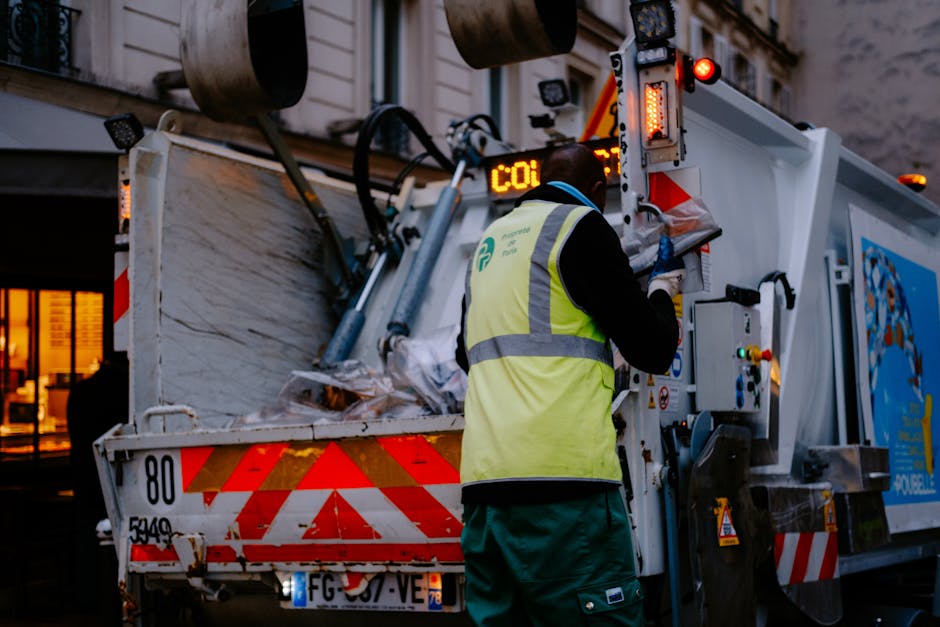
If you have just finished a deep clean in Hampstead, the last thing you want is a pile of waste turning into a compliance headache. Yet that is exactly where many jobs go wrong. Licences for waste removal after Hampstead cleaning jobs matter because cleaning often produces more than ordinary household rubbish: old fabrics, broken fittings, packaging, dust bags, chemicals, and sometimes bulky clearance waste. Knowing who can carry it, where it can go, and what paperwork should exist saves time, protects your business, and helps you avoid awkward questions later. In a busy NW3 day, that practical clarity is worth its weight in gold.
This guide breaks down the licences, permissions, and best-practice checks that sit behind post-cleaning waste removal. You will see how it works in real life, who needs to pay attention, what records to keep, and how to choose the right approach when the job is finished and the rubbish is staring back at you. Simple enough in theory. A bit messier in practice, as you probably already know.
Why Licences for waste removal after Hampstead cleaning jobs Matters
Waste removal is not just a tidy-up task. Once waste leaves the premises, it enters a regulated chain of responsibility. That is the part people miss. If a cleaner, contractor, or property owner hands waste to the wrong person, or cannot show where it went, the trouble can land back on them. That is true whether the job is a one-off domestic clean, post-tenant turnaround, or a more involved commercial tidy-up.
In Hampstead, where properties range from compact flats to large period homes and shared buildings, the waste can vary wildly. One job might produce little more than bin liners and broken packaging. Another might include old carpets, underlay, damaged curtains, worn upholstery, or debris from a room that has been scrubbed back to basics. Those materials do not all travel the same way, and they do not all belong in the same bin. Easy to say, less easy when you are standing in a hallway with a van booked for the afternoon.
The word "licence" here usually points to the legal and practical permission to carry waste, collect it, and dispose of it through approved routes. In plain English, the question is: who is allowed to move this stuff, and can they prove they handled it properly? That is where the real value sits.
It also matters because waste issues can affect reputation. A cleaning business that leaves rubbish in the wrong place, or uses an unlicensed carrier, can create complaints, delays, and avoidable costs. For landlords, letting agents, and homeowners, the same problem can show up later as fly-tipping concerns, block management disputes, or a disposal trail that simply does not add up.
Practical takeaway: after a Hampstead cleaning job, waste removal should be treated as part of the service plan, not as an afterthought. The cleaner the handover, the fewer headaches later.
How Licences for waste removal after Hampstead cleaning jobs Works
To understand how the licensing side works, it helps to separate three different things: collection, transport, and disposal. People often blur them together, but they are not the same. A team may clean the property, collect waste, and move it off site, yet the final disposal route still matters just as much.
1. Identifying the waste type
The first step is knowing what has actually been produced. Waste from cleaning jobs can include general household rubbish, bulky items, soft furnishings, mixed recyclables, packaging, and sometimes specialist waste such as cleaning chemical containers or contaminated materials. The classification matters because it affects how the waste should be handled and who should touch it.
2. Choosing the right carrier
In the UK, waste carriers are normally expected to be registered where applicable. That registration is part of the basic due diligence most people should ask for before handing anything over. A reputable cleaning company or waste-removal partner should be able to explain their status clearly. If someone seems vague about it, that is usually not a great sign. To be fair, the good ones tend to be straightforward.
3. Using the right disposal route
Once collected, the waste should go to an authorised disposal or recovery site, depending on the material. That route may involve sorting for recycling, transfer stations, or other approved facilities. The important thing is not where it feels convenient to take the waste, but where it is appropriate and traceable to take it.
4. Keeping evidence
For many jobs, the paperwork is the quiet hero. Waste transfer notes, invoices, item descriptions, or carrier details can all help demonstrate that waste was handed over responsibly. You do not need a mountain of admin for a straightforward clean, but you do need enough information to show a sensible chain of custody.
5. Understanding responsibility does not end at the door
A common misconception is that once waste leaves the property, the responsibility disappears. Not quite. If the wrong carrier is used, the person who arranged the removal may still have questions to answer. That is why a little caution up front pays off. And yes, it can feel annoying to ask for details on a day when everyone just wants the place cleared. Still, it is better than sorting out a mess later.
If the cleaning job is broader than a simple tidy-up, it may help to think about the whole operation as a package. Services such as after builders cleaning, deep cleaning, and end of tenancy cleaning often produce waste that needs more than a standard bin route, especially in older Hampstead properties where access is tight and volumes can rise quickly.
Key Benefits and Practical Advantages
Getting the licensing side right is not just about avoiding problems. It has some direct, practical upsides too.
- Better compliance: you reduce the risk of using an unregistered or unsuitable waste carrier.
- Clearer accountability: everyone knows who is responsible for what, which matters if a question comes up later.
- Smoother jobs: waste is removed in a planned way rather than becoming the last-minute scramble at the end.
- Lower complaint risk: neighbours, landlords, and managing agents are less likely to raise concerns when disposal is handled properly.
- Cleaner brand reputation: for businesses, the way waste is handled says a lot about professional standards.
- Improved recycling outcomes: a proper route often makes it easier to separate recyclable material from general waste.
There is also a quieter benefit that people sometimes overlook: confidence. If you know the waste has gone through the right channel, you can move on. No second-guessing, no wondering whether an overfull sack got dumped somewhere it should not have. That peace of mind matters, especially when the rest of the job has already been physically demanding.
For households and landlords, the benefit is often convenience with less risk. For cleaners and contractors, it is credibility. And in a place like Hampstead, where many clients expect a polished result, credibility is part of the service. You notice it in the small things. The gate left as found. The hallway swept. The paperwork tidy. All of it adds up.
Who This Is For and When It Makes Sense
Licences for waste removal after Hampstead cleaning jobs are relevant to several different people, and each has slightly different concerns.
Cleaning companies and independent cleaners
If you regularly remove rubbish as part of a cleaning service, you need a clear process. That includes knowing whether you can transport waste yourself, whether you need a registered carrier, and how you document what happened. Even smaller operators can get caught out if they assume "it is just a few bags" means the rules do not apply. Often they do.
Landlords and letting agents
When a tenant moves out and the property needs more than a standard clean, waste handling becomes part of the handover. Old furniture, loose belongings, broken household items, and left-behind clutter can create a licensing and disposal issue very quickly. It is sensible to check who is removing the waste before the move-out work starts, not after the van has already gone.
Homeowners and busy households
If you are having a property reset after renovation, illness, long-term clutter, or a major clean, waste removal is often the hidden task. You may not care about the licensing language, and fair enough. But you do care that the waste leaves legally and safely. In practice, that means choosing a provider who can explain the process in normal English.
Office and commercial clients
Commercial cleaning can generate mixed waste, especially after a clear-out, refit, or deep clean of shared spaces. If you are dealing with records, furniture, fixtures, or general office debris, there should be a clear chain of responsibility. The office manager usually wants a simple answer, not a lecture. But they still need evidence that the waste route is legitimate.
Sometimes the right option is not a full waste-removal service at all. If the job is mostly surface cleaning with little to dispose of, then a standard cleaner may be enough. If it includes heavy waste, bulky items, or repeated clear-outs, then a more formal waste arrangement makes better sense. That judgement call is where experience helps.
Step-by-Step Guidance
Here is a practical way to handle the licensing side without making the job feel bigger than it needs to be.
- List the waste before the job starts. Work out whether you are dealing with general rubbish, bulky items, soft furnishings, or anything potentially sensitive or contaminated.
- Confirm who will remove it. Ask whether the cleaner, the property owner, or a separate waste contractor is responsible for the collection.
- Check carrier details. If a third party is removing waste, ask for the relevant registration or proof that they are permitted to carry waste.
- Separate what can be recycled. Keep clean cardboard, plastics, fabric, and general rubbish apart where possible. Small effort, big difference.
- Decide on storage and access. In Hampstead flats, access can be the whole game. Stairwells, narrow entrances, and parking constraints can affect the handover.
- Document the handover. Keep notes, invoices, or a brief record of what was removed and by whom.
- Check the destination route. Ask where the waste is going in broad terms, especially if there are bulky or unusual items.
- Close the job with a final sweep. Make sure nothing has been left behind in cupboards, under beds, behind appliances, or in plant pots. Yes, people do forget those things.
A useful habit is to treat waste removal as a mini handover process. Start of job, identify. Mid-job, sort. End of job, confirm. It sounds almost too simple, but it stops a lot of stress. The rhythm of a good job is often the boring part done well.
For more complex clean-ups, such as properties that need a full reset before reoccupation, you may also want to think about services that support the final condition of the home or business. A combined approach with house cleaning, one-off cleaning, or house clearance can make the disposal side much easier to organise.
Expert Tips for Better Results
Small choices make a big difference here. The best jobs usually run smoothly because someone has thought two steps ahead.
Ask for proof before the van arrives
Do not wait until the waste is already stacked by the front door. Ask early. If a carrier is legitimate, they should be able to explain what they do without faffing about. A quick check at the start saves an awkward conversation later.
Keep cleaner waste separate from homeowner clutter
Sometimes a cleaning job includes both waste created during the service and items the client already wanted removed. Keep those streams separate if you can. It helps with accountability and makes the job easier to explain if anyone queries what was taken.
Make access part of the plan
Hampstead properties can be charming, but charm and easy waste removal do not always go together. Tight staircases, controlled entry, and parking restrictions can slow everything down. Build that into the timing. You will thank yourself later, probably when it is raining and you are on the third trip.
Use the right service for the right waste
Not every clean needs the same approach. Light rubbish from a domestic clean is one thing. Heavy, mixed or bulky waste from a larger property refresh is another. Matching the service to the waste is one of those small professional decisions that separates a tidy operation from a chaotic one.
Never rely on verbal reassurance alone
"Don't worry, we sort all that out" is not enough on its own. It may be true, but it is still worth asking how. A brief written note or invoice detail is much better than memory. Memory has a funny way of getting hazy right when you need it most.
Build sustainability into the choice
If recycling or reuse is possible, factor that in early. Even when you cannot recycle everything, a sensible disposal route can often reduce what goes to general waste. That tends to be better for cost, environment, and reputation. For readers who care about greener cleaning choices, the site's recycling and sustainability information is a useful place to start.
Expert summary: the safest waste-removal jobs are the ones where the waste type, carrier details, access plan, and paperwork are all decided before the cleanup ends. Simple, but not always easy.
Common Mistakes to Avoid
Most waste problems come from a handful of predictable mistakes. You do not need to learn them the hard way.
- Assuming all waste is the same. It is not. General rubbish, furniture, and cleaning-related waste can require different handling.
- Using a carrier without checking their status. If you do not ask, you may not know whether the waste is being handled properly.
- Leaving disposal until the end. By then, it becomes a scramble. People are tired, the job has run long, and mistakes creep in.
- Failing to record what was removed. A simple note can save a lot of back-and-forth later.
- Mixing recyclable items with general waste. Not ideal, and usually avoidable with a bit of sorting.
- Ignoring access constraints. What looks easy from the pavement can be a nightmare from the fourth floor.
- Thinking domestic jobs do not need oversight. They do, just usually on a smaller scale.
One other common issue is underestimating bulky items. A sofa, mattress, broken shelving, or even several bags of damp material can change the whole logistics of a cleaning job. It is not glamorous, but it matters. Quite a lot, actually.
If you are comparing service levels, it can also help to look at how a company handles related jobs. For example, a team that already works across office cleaning, domestic cleaning, and deep cleaning is more likely to have a repeatable process than someone improvising from job to job.
Tools, Resources and Recommendations
You do not need a warehouse full of equipment to manage this properly. A few straightforward tools and habits go a long way.
Useful tools
- Waste log or job notes: keep a short record of what was removed, from where, and by whom.
- Labelled sacks or containers: useful for separating general rubbish from recyclable materials.
- Camera phone: a quick before-and-after photo can be surprisingly helpful, especially on larger jobs.
- Job checklist: simple, but effective for keeping the disposal side in view.
- Invoice or receipt folder: store carrier and disposal paperwork together.
Useful recommendations
Choose a provider or process that is easy to explain. If the system only makes sense to the person who invented it, it is probably not good enough. Also, do not underestimate the value of good communication with the client or property manager. A short message about what is being removed, when, and how can prevent confusion.
For jobs with more complicated waste streams, it is often worth pairing disposal planning with the wider cleaning service. That might mean coordinating with window cleaning, oven cleaning, or upholstery cleaning so the waste is managed in one organised sweep rather than in bits and pieces over several days.
Law, Compliance, Standards and Best Practice
This is the section where people often want a yes-or-no answer, but the truth is a bit more nuanced. Waste handling in the UK is governed by legal duties and practical expectations, and those obligations depend on the type of waste, who carries it, and how it is disposed of. You should be especially careful if the waste comes from a commercial setting, includes bulky items, or looks contaminated.
As a general rule, anyone arranging waste removal should satisfy themselves that the carrier is authorised where required, that the waste goes to a legitimate destination, and that records are kept where appropriate. That is the best way to show that the chain of custody was handled properly. No drama. Just careful practice.
In a Hampstead context, where many buildings have shared access, management rules, and neighbours close by, local best practice matters too. Cleaners and clients should think about:
- safe loading and carrying through communal spaces
- avoiding obstruction in front entrances or stairwells
- protecting lifts, floors, and walls during removal
- timing collections to reduce disruption
- sorting waste so recyclable material is not needlessly mixed
Insurance is another part of the picture. A responsible operator will usually be clear about how they cover accidental damage, transit issues, or safety procedures. If you want a better sense of what a professional provider should be ready to explain, the pages on insurance and safety and the health and safety policy are worth reviewing.
One practical best practice stands out above all the others: do not guess. If a waste stream feels unusual, ask how it should be handled. That applies whether you are clearing a family home, turning around a rental, or wrapping up a commercial clean. Guessing is cheap. Fixing it later is not.
Options, Methods and Comparison Table
Different jobs call for different removal methods. The right choice depends on volume, access, timing, and what kind of waste has been produced.
| Option | Best for | Strengths | Limitations |
|---|---|---|---|
| Client self-removal | Very small amounts of general waste | Simple, flexible, low cost if already organised | Time-consuming; responsibility stays with the client; easy to make mistakes |
| Cleaner removes waste directly | Routine cleaning jobs with manageable volumes | Convenient; keeps the service streamlined | Requires proper checks and a clear waste process |
| Separate waste carrier | Bulky, mixed, or higher-volume waste | More robust handling; useful for larger jobs | Extra coordination; may cost more than basic disposal |
| Combined clearance and cleaning service | Deep cleans, move-outs, and property resets | Efficient; easier handover; less back-and-forth | Needs strong planning and clear scope from the start |
A combined approach is often the least stressful for landlords and busy homeowners. It can be especially useful when a property needs a broad refresh rather than just a surface clean. If that sounds like your situation, services such as a full cleaning company approach or experienced cleaners may make more sense than piecemeal arrangements.
Case Study or Real-World Example
Imagine a Hampstead flat being prepared after a tenancy ends. The property needs a thorough clean, but the previous occupants have left behind a damaged chair, several bags of mixed rubbish, and a box of packaging in the hallway. Nothing dramatic, but enough to complicate the job.
The cleaner can do the main work, but the waste needs a plan. Before starting, the team checks what is being removed, confirms who is responsible for collection, and separates the recyclable cardboard from the rest. The bulky chair is identified early so it can be handled properly rather than left to the last minute. The hallway is kept clear so neighbours are not inconvenienced. Simple stuff, really, but that is the point.
By the end of the job, the client has a clean property, the waste has been removed through the agreed route, and the paperwork is easy to file. No confusion. No last-minute scramble. And no mystery about who took what away.
Now compare that with the messier version: waste piled outside the building with no record, no clarity on who carried it, and a vague promise that "it will be sorted." That sort of approach may look cheaper at first. It often is not. Especially once a complaint or follow-up question arrives.
There is a small but important lesson there. Good waste handling does not usually announce itself. It just quietly makes the whole job feel smoother.
Practical Checklist
Use this checklist before, during, or after the cleaning job.
- Have I identified all waste produced by the clean?
- Do I know which items are general waste, recyclable, or bulky?
- Has the person collecting the waste been properly checked?
- Is the disposal route clear enough to explain in plain English?
- Have access, parking, and carrying restrictions been considered?
- Are there photos or notes of the waste and handover?
- Have I kept invoices, receipts, or job records together?
- Has the client or property manager been informed where needed?
- Is any waste from the property likely to need special handling?
- Have I done a final sweep for missed items before signing off?
If you can tick most of those boxes, you are in good shape. If not, there is still time to tighten things up. Better to pause for five minutes now than spend an hour untangling it later.
Conclusion
Licences for waste removal after Hampstead cleaning jobs are really about one thing: making sure waste is handled responsibly, legally, and without unnecessary fuss. Once you understand the basic chain of responsibility, the rest becomes much easier. Identify the waste, confirm who is removing it, check the route, and keep simple records. That is the core of it.
For Hampstead homes, flats, and commercial spaces, the challenge is usually not the rule itself but the practical reality around it: access, mixed waste, time pressure, and the occasional last-minute surprise tucked behind a sofa or under a bed. A calm, organised approach is usually enough to solve most of that. And if you are not sure, ask early. Honest question. Why make the end of the job harder than it needs to be?
Get a free quote today and see how much you can save.
Handled well, waste removal becomes one of those invisible parts of the job that makes everything else feel easier. And that is a good place to end up.
Frequently Asked Questions
Do I need a licence to remove waste after a cleaning job in Hampstead?
It depends on who is removing the waste and what type it is. If you are transporting waste as part of a business, you should check whether carrier registration or other permissions apply. For a small household tidy-up, the situation may be simpler, but it is still wise to verify the route rather than assume.
What kind of waste usually comes from Hampstead cleaning jobs?
Common examples include general rubbish, packaging, vacuum waste, broken household items, old textiles, furniture, and sometimes leftover tenant belongings. Deep cleans and end-of-tenancy jobs can generate more mixed waste than routine domestic cleaning.
Can a cleaner take waste away in their van?
Sometimes yes, but only if they are properly set up to do so and the waste is being handled in a compliant way. The important point is not whether they have a van; it is whether they are allowed to carry that waste and can show a sensible disposal route.
How do I know if a waste carrier is legitimate?
Ask for clear details and proof of their status. A reliable provider should not be evasive. They should be able to explain how they collect waste, where it goes, and what records they keep. If the answer is vague, treat that as a warning sign.
Do end-of-tenancy cleaning jobs need special waste handling?
Often they do, because these jobs can include abandoned items, bulky waste, and mixed rubbish as well as the cleaning itself. The more varied the waste, the more important it is to plan the removal properly.
What records should I keep after waste is removed?
Keep basic notes on what was removed, who collected it, and any invoice or receipt details. For some jobs, more formal paperwork may be appropriate. The goal is to be able to show what happened if a question comes up later.
Is recycling always possible after a cleaning job?
Not always, because some waste is mixed, dirty, or unsuitable for recycling. Still, it is usually worth separating clean recyclable items where you can. A little sorting at source often improves the outcome.
What is the biggest compliance risk with waste removal?
The biggest risk is handing waste to someone without checking that they are suitable and properly authorised for the job. If the waste is dumped illegally, responsibility can become a real problem for the person who arranged the removal.
How does access in Hampstead affect waste removal?
Quite a lot, honestly. Many properties have narrow stairs, controlled entrances, or limited parking. That affects timing, manual carrying, and how waste should be staged before removal. Good planning avoids a lot of stress.
Should waste removal be included in the cleaning quote?
It is usually better when it is clearly discussed upfront. That way the scope is clear, there are no hidden assumptions, and the client understands whether waste collection is included or charged separately.
What if the job produces more waste than expected?
That happens more often than people admit. The best response is to pause, reassess the waste type and volume, and confirm the disposal plan before continuing. A flexible but documented approach is usually safest.
Where can I find more information about the company's policies?
If you want to understand how a provider approaches safety, payments, or complaints, look at the relevant company policy pages. Those details can be useful when you are choosing who to trust with cleaning and waste removal.