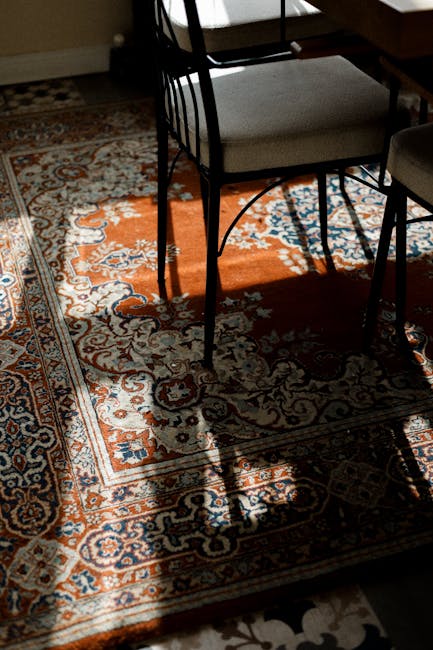
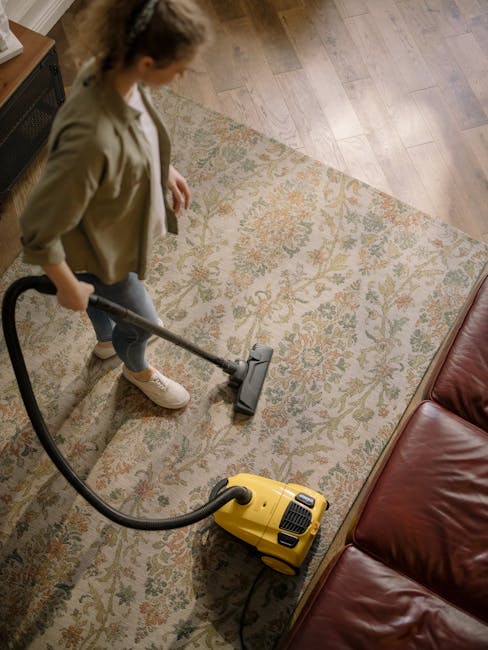
Rug cleaning Frognal and Flask Walk Georgian homes
Rug cleaning in Frognal and Flask Walk Georgian homes is never just a routine tidy-up. These properties often have original floors, period mouldings, narrow staircases, and rugs that quietly do a lot of work in hallways, reception rooms, and bedrooms. One spilled cup of tea, a rainy-boot trail, or years of dust settling into the fibres can make a beautiful room feel tired fast. The good news? With the right approach, you can clean rugs thoroughly without flattening the pile, fading colour, or upsetting the character of the room. This guide breaks down what matters, how the process works, and what to avoid if you want the rug and the house to stay in good shape.
If you are weighing up professional help, it also helps to understand how rug care fits with broader home maintenance. Many households pair it with deep cleaning, domestic cleaning, or even one-off cleaning when the house needs a reset rather than a quick surface refresh. That broader view matters in a Georgian home, where small mistakes tend to show.
Table of Contents
- Why Rug cleaning Frognal and Flask Walk Georgian homes Matters
- How Rug cleaning Frognal and Flask Walk Georgian homes Works
- Key Benefits and Practical Advantages
- Who This Is For and When It Makes Sense
- Step-by-Step Guidance
- Expert Tips for Better Results
- Common Mistakes to Avoid
- Tools, Resources and Recommendations
- Law, Compliance, Standards, or Best Practice
- Options, Methods, or Comparison Table
- Case Study or Real-World Example
- Practical Checklist
- Conclusion
- Frequently Asked Questions
Why Rug cleaning Frognal and Flask Walk Georgian homes Matters
Georgian homes in Frognal and along Flask Walk have a particular feel: high ceilings, tall sash windows, older timber, and rooms that can look elegant one minute and a little unforgiving the next. Rugs play a big part in softening those spaces. They add warmth, absorb sound, protect flooring, and bring colour into rooms that might otherwise feel stark. When they are dirty, flattened, or damp, the whole room feels off. You notice it even if you cannot quite say why.
That is why rug cleaning in these homes is about more than appearances. Dust and grit work their way down into fibres. Shoes bring in fine debris. Pets leave odours. Natural fibres can hold on to spills in a stubborn, slightly annoying way. And in older properties, there is often another layer: airflow, temperature changes, and occasional dampness can make rugs more sensitive to bad cleaning choices. Too much water, too much heat, or the wrong chemical and you can end up with rippling, dye migration, shrinkage, or a smell that was never there before.
There is also the heritage angle. You do not need to treat every rug like a museum object, but period homes often contain items with age, value, or sentimental meaning. A hand-knotted wool rug in a front room, for example, will not appreciate the same treatment as a modern synthetic runner in a busy kitchen corridor. That sounds obvious, yet it gets missed a lot. Truth be told, people often clean the room faster than they clean the rug properly.
In practical terms, the right rug cleaning approach helps preserve comfort, hygiene, and the overall look of the house. It also supports the rest of the home: cleaner air, less dust transfer onto furniture, and fewer stains that spread into adjacent floors or skirtings. In a Georgian setting, where every detail gets noticed, that is not a small thing.
How Rug cleaning Frognal and Flask Walk Georgian homes Works
The process should always start with assessment, not washing. A good cleaner looks at the fibre type, the weave, backing, dyes, construction method, and any visible damage. Is it wool, silk, cotton, jute, viscose, polypropylene, or a blend? Is the rug hand-made or machine-made? Has it got fringe, a latex backing, or signs of past repair? These details change everything.
In a Georgian home, assessment also includes the setting. Is the rug sitting over polished timber? Is there underfloor heating? Does the room get strong sunlight through sash windows? Is the property tight on space, meaning the rug may need to be moved through a narrow hall or staircase? Little practical things like that matter more than people expect. You do not want to wrestle a damp rug down a curved stairwell and scratch the bannister on the way. It happens. More often than you would think.
The actual cleaning method usually falls into one of a few categories:
- Dry soil removal: careful vacuuming and dust extraction to lift grit before any moisture is introduced.
- Spot and stain treatment: controlled pre-treatment of marks based on fibre sensitivity and stain type.
- Low-moisture cleaning: suitable for some rugs where excess water would be risky.
- Full immersion or specialist wash: used only when the rug construction and condition allow it.
- Controlled drying: the final stage that protects shape, colour, and texture.
The drying stage deserves more attention than it usually gets. A rug may look clean after washing, but if it dries too slowly, you risk odours, browning, or distortion. In older homes, where spaces can be cooler or less ventilated than modern flats, airflow needs to be planned carefully. Sometimes that means using fans, dehumidification, or simply allowing more time. No shortcuts. Not really.
Professional rug cleaning is also about restraint. You are not trying to blast the rug into submission. You are trying to release soils gently while respecting the fabric. That is the difference between a decent result and an expensive mistake.
Key Benefits and Practical Advantages
When rug cleaning is done properly, the benefits are immediate and surprisingly broad. The rug looks brighter, of course, but there is more going on than that.
- Better room presentation: colours look clearer, patterns stand out, and the room feels finished again.
- Improved indoor freshness: trapped dust, pet odour, and everyday grime are reduced.
- Longer rug life: grit is one of the biggest causes of fibre wear, so removing it helps the rug last.
- Safer underfoot feel: flattened pile and slick residues are less likely when cleaning is balanced.
- Protection for period interiors: a clean rug supports the visual calm of Georgian rooms without clashing with original features.
There is a practical side too. A properly cleaned rug can prevent dirt from being tracked into adjacent rooms, which means less maintenance overall. If the rug sits near a doorway or reception area, this effect can be quite noticeable. A little cleaner there means less cleaning everywhere else. You will feel that difference by Friday evening, when the house has had a week of normal life and still looks manageable.
Another advantage is peace of mind. Rugs are often the sort of item people worry about because they are valuable, awkward, or simply familiar. They have been there for years. Once they are cleaned and dried correctly, you get that nice feeling that the house has had a quiet reset. Not dramatic. Just better.
Who This Is For and When It Makes Sense
This kind of cleaning is especially useful for homeowners and tenants in Georgian properties who want a careful, room-sensitive result rather than a generic clean. It is relevant if your rug is:
- showing traffic lanes or dull patches;
- holding pet smells, food spills, or smoke odour;
- used in a hallway, sitting room, or bedroom with regular footfall;
- made from wool, silk, or another delicate fibre;
- part of a room that gets strong light, which can exaggerate fading and staining;
- too large, heavy, or fragile for easy at-home handling.
It also makes sense after a larger house reset. For example, if you have just finished house cleaning or are coordinating wider support from home cleaners, rug care can be the finishing touch that stops a room from looking half-done. The rug is often the bit everyone sees first, especially in a period entrance hall with good natural light.
And yes, there are times when DIY is enough. A lightly dusty rug in a low-traffic room may only need careful vacuuming and spot treatment. But if there is a stain you keep glancing at, or the rug smells a bit stale when the heating comes on, that is usually the point where a more considered clean makes sense. Better to deal with it early than let it become a lingering annoyance.
Step-by-Step Guidance
Here is the practical version. If you want to understand how a careful rug clean should unfold, this is the sequence to look for.
- Inspect the rug first. Check fibres, backing, wear, stains, colourfastness, and any loose binding or fringe damage.
- Move and protect the surroundings. In Georgian homes, that means being careful around skirting, polished floors, and furniture legs.
- Remove dry soil thoroughly. Vacuum front and back where suitable, then lift embedded grit that would otherwise turn into mud during cleaning.
- Test the dyes and fibre response. This is a small step that prevents big problems. It is also where overconfidence tends to go wrong.
- Apply targeted pre-treatment. Stains are handled according to type, not with one universal product. Ink, tea, wine, grease, and pet marks all behave differently.
- Choose the right wash method. Some rugs need low-moisture treatment; others may tolerate a fuller wash. The decision should be based on the rug, not convenience.
- Rinse or extract carefully. Residue left behind can attract more soil, so the finish matters a lot.
- Dry under control. Good airflow, correct positioning, and enough time are essential.
- Finish and groom. The pile may need brushing or alignment once dry, and the edges should be checked again.
A quick at-home version of that process can help between professional visits. Vacuum gently, rotate the rug if one side gets more sun, and blot spills immediately rather than rubbing them. Rubbing is the classic mistake. It feels helpful, but it usually just makes the mess deeper and larger. A bit rude, really, how that works.
Expert Tips for Better Results
Some details separate a good result from a merely acceptable one. These are the points worth remembering.
- Always identify the fibre. Wool is forgiving in some ways, but not all. Viscose can be highly sensitive. Silk needs far more caution. If you do not know what the rug is made from, stop and check.
- Deal with the spill quickly, but gently. Press, lift, and blot. Do not grind it in.
- Protect delicate fringe. Fringe catches dirt and tangles easily. It should never be treated like an afterthought.
- Watch the drying environment. Cool Georgian rooms can trap moisture. A clean rug that stays damp too long can smell worse than the original stain.
- Rotate rugs regularly. This is one of the simplest ways to balance wear, especially in rooms with strong foot traffic or sunlight.
- Pair rug care with broader fabric maintenance. If upholstery or sofas are also looking tired, it may be sensible to coordinate upholstery cleaning or sofa cleaning at the same time.
One small but useful tip: take a photo of the rug before cleaning if it has a tricky pattern or border. Sounds obvious. People still forget. That photo helps you compare the result and spot any change in shape, tone, or fibre lay once the job is done.
Also, if the rug has lived in a front room for years, expect some colour variation after cleaning. That is not necessarily damage. Sometimes the clean section simply reveals what the rest of the rug had lost over time. A little unevenness can be normal, especially with older textiles.
Common Mistakes to Avoid
The biggest rug-cleaning problems are usually caused by trying to rush. Georgian houses have enough charm already; they do not need extra drama from a soaking-wet rug or a chemical experiment in the drawing room.
- Using too much water: this can lead to wicking, browning, shrinkage, or long drying times.
- Scrubbing stains aggressively: that often damages the pile and spreads the mark outward.
- Skipping a test patch: a small hidden test is worth doing every time on delicate or unfamiliar rugs.
- Ignoring the backing: the face of the rug may look sturdy, but the underside can be the weak point.
- Leaving rugs on cold floors while damp: this slows drying and can cause smells or distortion.
- Using household cleaners without checking suitability: some products leave residue or affect colour.
There is also the mistake of treating every rug like a carpet square. Not the same thing. A rug can be reversible, fringed, hand-knotted, antique, or made from fibres that react quite differently to moisture and heat. The house may be Georgian, but the rug is not obliged to behave like the floor underneath it.
Tools, Resources and Recommendations
You do not need a room full of specialist equipment to care for a rug well, but a few sensible tools make a genuine difference.
| Tool or resource | What it helps with | Why it matters in Georgian homes |
|---|---|---|
| Quality vacuum with adjustable suction | Regular dust and grit removal | Protects delicate pile and fringe while reducing wear |
| White absorbent cloths | Blotting spills safely | Helps avoid dye transfer and visible residue |
| Soft brush or pile groomer | Finishing the texture after drying | Keeps the rug looking balanced in formal rooms |
| Dehumidifier or well-placed airflow | Drying support | Useful where rooms are cool, shaded, or less ventilated |
| Trusted specialist cleaning service | Assessment and safe treatment of delicate rugs | Reduces risk to older textiles and period flooring |
If you are comparing professional help, it is reasonable to look at the cleaner's approach to care, safety, and pricing. You can review pricing and quotes before booking, and it is worth checking practical reassurance pages such as insurance and safety and the company's health and safety policy. Those details are not glamorous, but they matter when someone is working around furnishings, flooring, and cherished household items.
For homeowners who also want to understand the business and service standards behind the visit, the pages on about us and terms and conditions can be useful for setting expectations. And if sustainability matters to you, the recycling and sustainability information is a sensible place to look.
Law, Compliance, Standards, or Best Practice
For domestic rug cleaning, there is usually no dramatic legal complexity, but best practice still matters. In the UK, reputable cleaners should work carefully, communicate clearly, and avoid causing avoidable damage. That means knowing when a rug is too delicate for a standard wash, when a stain might need conservative treatment, and when drying time should be extended rather than rushed.
If the rug is antique, valuable, or historically significant, it is sensible to treat it as a specialist item and ask for a cautious assessment. You do not need a lecture. You need competence, plain language, and a bit of patience. If something is uncertain, good practice is to say so rather than bluff through it.
Safety is also part of the picture. Cleaning work should not leave wet slips on wood floors, residues on stairs, or awkward trip hazards while equipment is in use. In a Georgian house, those practical details are especially important because older layouts can have tight turns, uneven thresholds, and polished surfaces that do not forgive carelessness.
From a customer perspective, it helps to use a company that offers clear booking terms, sensible payment handling, and an accessible complaints process if needed. That is not about expecting trouble; it is about knowing a service has proper structure. For reference, the site's payment and security and complaints procedure pages are the kind of practical details worth checking before work begins.
Options, Methods, or Comparison Table
Different rug-cleaning methods suit different homes and rug types. The aim is not to choose the fanciest option. It is to choose the safest one that still delivers a proper clean.
| Method | Best for | Advantages | Watch-outs |
|---|---|---|---|
| Dry vacuum and spot treatment | Light maintenance and small marks | Fast, low-risk, convenient | Won't remove deep soil or odour build-up |
| Low-moisture cleaning | Some delicate or colour-sensitive rugs | Reduced drying time, less saturation | May not suit heavy staining |
| Specialist wet wash | Robust rugs that need a deeper reset | Strong soil removal, better odour control | Requires careful drying and correct fibre matching |
| On-site service | Large or awkward rugs in busy homes | Less moving, more convenient | Not ideal for every rug construction |
| Off-site specialist cleaning | Valuable, delicate, or heavily soiled rugs | Better control over washing and drying | Requires transport and a bit more planning |
For many Georgian homes, the decision comes down to access and risk. If the rug is large, old, or fragile, off-site treatment may be the safer option. If it is a sturdy modern piece in a front room that just needs freshening, an on-site clean may be perfectly enough. Both can be right. That is the real answer, though people sometimes want one neat rule.
Case Study or Real-World Example
Picture a typical front room in a Frognal Georgian terrace: tall windows, pale walls, a wooden floor with a large rug under the seating area, and a hallway that sees daily traffic. The rug has no dramatic stain, but it has become dull, and the border near the sofa has picked up a faint grey line from foot traffic. Nothing shocking. Just enough to make the room feel a bit less cared-for.
The cleaning starts with inspection and vacuuming, including the edges where dust likes to hide. A test patch confirms the dyes are stable. The cleaner then treats the traffic lane gently, uses a suitable low-moisture process, and focuses on controlled drying because the room is a little shaded in the afternoon. By the next day, the rug feels lifted rather than overworked. The pattern reads more clearly, and the room looks calmer. Not showy. Just cleaner in a way you notice when the light comes in at around four o'clock.
What made the difference was not brute force. It was matching the method to the rug and the house. That is usually the thread running through good results in Georgian interiors.
Practical Checklist
Use this quick checklist before, during, or after cleaning.
- Identify the rug fibre and any special construction details.
- Check for loose threads, damage, or fringe wear.
- Vacuum thoroughly before any moisture is used.
- Test colours in a hidden area first.
- Choose the cleaning method that suits the rug, not the shortcut that suits the schedule.
- Keep the surrounding floor protected from moisture and residue.
- Allow enough drying time and airflow.
- Inspect the rug again once dry.
- Rotate the rug after cleaning if one side gets more light or foot traffic.
- Book a professional review if the rug is antique, silk, heavily stained, or emotionally irreplaceable.
If you are already coordinating broader property care, it may also be worth looking at support such as carpet cleaning, carpets cleaner, or cleaning company services for a more joined-up clean across the home. That can save time and keep the rooms feeling consistent rather than pieced together.
Get a free quote today and see how much you can save.
Conclusion
Rug cleaning in Frognal and Flask Walk Georgian homes is really about respect: respect for the rug, for the room, and for the way older homes work. A careful clean restores colour, removes hidden soil, and helps the house feel like itself again. The best results come from patience, fibre knowledge, and proper drying, not from rushing or over-wetting a precious textile.
If you treat rug care as part of the home's wider rhythm, rather than a quick fix, it becomes much easier to maintain that elegant, lived-in feel Georgian properties do so well. A well-cleaned rug does not shout. It just quietly makes everything look more settled.
And honestly, that is often what people want most: a home that feels looked after, without losing its character.
Frequently Asked Questions
How often should rugs be cleaned in Georgian homes?
It depends on traffic, fibre type, pets, and whether the rug sits in a hallway or main reception room. Busy rugs usually need more frequent maintenance, while decorative pieces may only need periodic deep cleaning. Regular vacuuming is still the baseline.
Can all rugs be cleaned with water?
No. Some rugs tolerate wet cleaning well, but delicate fibres, unstable dyes, older backing, or certain handmade constructions may require a low-moisture or specialist method. A proper assessment comes first.
Will rug cleaning damage wooden floors in a Georgian house?
It should not, if the work is handled carefully. The key is controlling moisture, protecting the floor, and avoiding drips or prolonged damp contact. Good cleaning practice includes floor protection, not just rug treatment.
What should I do if my rug has a tea or wine stain?
Blot it gently with a clean white cloth and avoid rubbing. Do not flood the area with water or home cleaner. The sooner the stain is treated correctly, the better the outcome usually is.
How long does a rug take to dry after cleaning?
Drying time varies by fibre, cleaning method, pile density, room temperature, and airflow. A thick wool rug will generally need longer than a thin synthetic one. The main point is to let it dry fully before use.
Is professional rug cleaning worth it for everyday rugs?
Often, yes. Even an everyday rug can trap grit and odour that vacuuming alone will not fully remove. Professional cleaning can refresh the look and help the rug last longer, especially in high-use rooms.
What is the difference between rug cleaning and carpet cleaning?
Rugs are movable textile pieces, often with different fibres, backing, and finishing from wall-to-wall carpet. That means they need more specific handling. A rug is usually treated more cautiously because it can be turned, lifted, and assessed on both sides.
Can fringes be cleaned safely?
Yes, but they need care. Fringe is easy to tangle, over-wet, or weaken with harsh treatment. It should be handled gently and checked after the main clean is finished.
How do I know if my rug needs specialist cleaning?
If it is antique, silk, heavily stained, odorous, visibly delicate, or has colour bleeding history, specialist cleaning is the safer choice. If you are unsure, that alone is usually a sign to ask for an assessment rather than guessing.
Can rug cleaning help with pet odours?
Yes, provided the treatment is matched to the rug and the odour source is properly addressed. Surface fragrance sprays are not the answer. In fact, they can make the issue worse by masking it rather than removing it.
Should I move furniture off the rug before cleaning?
Ideally, yes, or at least move lighter items and clear access around the rug. In Georgian homes, this also helps protect delicate flooring and reduces the chance of scuffs or accidental marks while the work is being carried out.
What if my rug is valuable or sentimental?
Then caution matters even more. Ask for a gentle assessment, discuss the construction and history of the rug, and avoid any cleaning approach that sounds rushed or overly generic. A sentimental rug deserves a bit of patience.