Upholstery cleaning near Hampstead Heath best practice guide
If you are looking into upholstery cleaning near Hampstead Heath, chances are you are dealing with one of those everyday messes that somehow becomes a bigger job than expected: a food stain on the arm of the sofa, a bit of pet odour that will not quite leave, or fabric that looks dull even after a decent vacuum. Truth be told, upholstery is one of those things you do not notice until it needs attention. Then suddenly, it matters a lot.
This guide walks through the best practice approach in plain English. You will learn how upholstery cleaning works, how to choose the right method for different fabrics, what to avoid, and what to expect from a reputable local cleaner. It is practical, a bit detailed where it needs to be, and written to help you make a sensible decision rather than a rushed one.
Expert summary: good upholstery cleaning is not about using the strongest chemical or the wettest machine. It is about understanding the fabric, testing safely, cleaning gently but thoroughly, and drying properly so the furniture looks better without being put at risk. Simple enough in theory. In practice, a careful process makes all the difference.
Why Upholstery cleaning near Hampstead Heath best practice guide Matters
Furniture in a busy home or rental property takes a real beating. Sofas collect dust, body oils, crumbs, pollen, pet hair, and all the small marks of everyday life. In a leafy, well-used part of London like Hampstead Heath, that can be made worse by open windows in spring, muddy shoes after a walk, or the simple fact that a lot of life tends to happen on the sofa.
Best practice matters because upholstery is not all the same. A velvet chair, a linen corner sofa, and a synthetic family sofa each need a different approach. Use the wrong method and you can cause tide marks, colour loss, shrinkage, or a finish that looks worse than before. That is the bit people often miss. Cleaning is not just about removing dirt; it is about preserving the fabric's structure, texture, and colour.
There is also a hygiene angle. Upholstery can hold allergens and odours that regular surface cleaning will not shift. If someone in the home has sensitivities, or if you host guests often, keeping soft furnishings fresh makes the whole room feel calmer and more comfortable. You notice it when you sit down. The room just feels lighter.
For local households, landlords, and small businesses around Hampstead Heath, a proper upholstery clean can also support the overall presentation of the property. A well-kept sofa in a lounge, reception area, or letting flat quietly signals care. Not flashy. Just competent, which is what most people really want.
Table of Contents
- Why Upholstery cleaning near Hampstead Heath best practice guide Matters
- How Upholstery cleaning near Hampstead Heath best practice guide Works
- Key Benefits and Practical Advantages
- Who This Is For and When It Makes Sense
- Step-by-Step Guidance
- Expert Tips for Better Results
- Common Mistakes to Avoid
- Tools, Resources and Recommendations
- Law, Compliance, Standards, or Best Practice
- Options, Methods, or Comparison Table
- Case Study or Real-World Example
- Practical Checklist
- Conclusion
- Frequently Asked Questions
How Upholstery cleaning near Hampstead Heath best practice guide Works
At its core, upholstery cleaning is a controlled process of loosening soil from the fibres and removing it without damaging the fabric or underlying padding. A good cleaner starts with identification, not spraying. Fabric type, construction, age, and visible wear all shape the method.
Here is the basic flow you would expect from a professional approach:
- Inspection: The cleaner checks the fabric type, seams, cushions, wear spots, existing stains, and any areas of concern.
- Testing: A small, hidden patch is tested to make sure the cleaning solution and moisture level are safe.
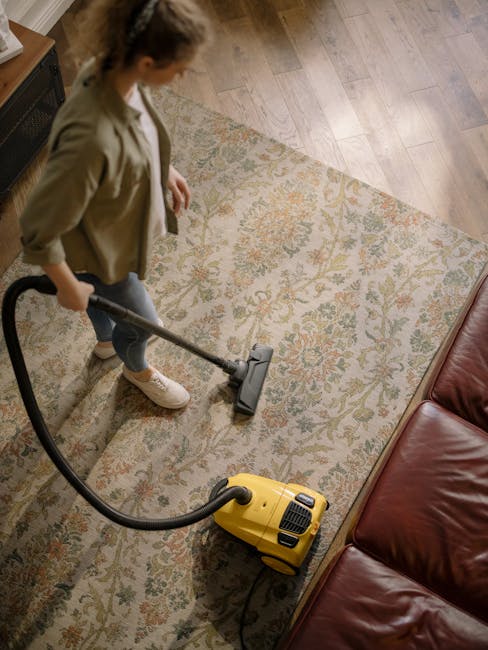
- Dry soil removal: Loose dust and debris are lifted first, usually by vacuuming or careful brushing.
- Spot treatment: Specific stains are treated according to what caused them, because coffee is not the same as grease, and neither is the same as ink.
- Deep cleaning: The chosen method is applied evenly, often with low moisture and controlled agitation.
- Extraction or wiping: Soil and residues are removed so they do not sit in the fabric and attract more dirt later.
- Drying and finishing: The upholstery is left to dry properly, sometimes with airflow support, then groomed if needed.
The exact method depends on the item. Some pieces benefit from hot water extraction with careful control. Others do better with low-moisture or dry cleaning approaches. A decent technician will not force one method onto every fabric. That is usually where problems start, and nobody wants a saggy cushion after lunch.
When done well, the process is methodical and fairly unglamorous. That is a good thing. It should look boring from the outside. Safe, steady, predictable. The drama belongs nowhere near your sofa.
Key Benefits and Practical Advantages
People usually think about upholstery cleaning only when something looks dirty, but the benefits go beyond appearances. A proper clean can change how a room feels and how long the furniture lasts.
Better appearance: Fabrics often regain a clearer colour and fresher texture. Even when a stain does not vanish completely, a careful clean can make the whole piece look noticeably brighter.
Odour reduction: Everyday smells from pets, cooking, damp air, and general use can settle into fibres. Cleaning helps reduce those background odours that you stop noticing until someone else points them out.
Longer fabric life: Dirt particles can act like tiny abrasives. Removing them helps reduce wear on the fibres over time, which is especially useful for sofas used daily.
More comfortable living space: Clean upholstery changes the feel of a room. There is something quietly satisfying about sitting on a sofa that looks and smells clean. Nothing dramatic. Just pleasant.
Better support for allergy management: While no cleaning method is a cure-all, regular maintenance can help reduce the buildup of dust and allergens in soft furnishings.
Helpful for moving, renting, or selling: If you are preparing a property, clean upholstery can improve first impressions in a way that is hard to fake. Buyers and tenants notice the details.
Reduced risk of permanent staining: The sooner a stain is treated with the right method, the better the chances of success. Leave it too long and it may bond with the fibres.
In short, this is not just a cosmetic job. It is part maintenance, part hygiene, part protecting the value of the furniture you already own.
Who This Is For and When It Makes Sense
This kind of service suits a wide range of people, and not all of them are dealing with obvious damage. Sometimes the need is obvious; sometimes it creeps up slowly.
- Homeowners: If your sofa has daily use, regular cleaning helps keep it in good shape.
- Renters and landlords: Upholstery can influence how a property presents at check-in, checkout, or during viewings.
- Families with children: Spills happen. That is life. A practical cleaning plan helps stop small accidents becoming permanent marks.
- Pet owners: Fur, odours, and the occasional paw-print need a more careful approach.
- Small offices or client-facing spaces: Reception seating and lounge furniture can quietly affect how professional the space feels.
- Anyone with older furniture: Sometimes a favourite chair simply needs respectful restoration rather than replacement.
It makes sense to book a clean when you notice visible dullness, an odour that lingers after open windows and vacuuming, or when a stain has set in and DIY efforts have not helped. If you are preparing for guests or a property handover, it is also worth acting before the deadline looms. That last-minute panic clean rarely ends well.
There is also a judgment call here. If the furniture is extremely delicate or already badly worn, a cleaner may recommend a gentler approach or even advise against full wet cleaning. That kind of honesty is a good sign, not a bad one.
Step-by-Step Guidance
If you want a useful, no-nonsense approach to upholstery cleaning near Hampstead Heath, follow the sequence below. It keeps the process sensible and reduces the chance of avoidable damage.
- Identify the fabric first. Check the care label if there is one. Even basic information helps. If the label is missing, the cleaner should inspect the material carefully before starting.
- Clear the area. Remove cushions, throws, loose items, and anything fragile nearby. A clean workspace makes the job safer and quicker.
- Vacuum thoroughly. Use a suitable upholstery attachment and pay attention to seams, buttoning, and gaps where debris collects.
- Test a hidden area. This is not optional. A small spot test can save a very expensive mistake.
- Pre-treat problem spots. Target specific stains carefully rather than treating the entire sofa as if every mark is the same.
- Choose the right cleaning method. Low-moisture, steam-based, dry foam, or extraction methods each suit different fabrics and levels of soil.
- Work in sections. Keep cleaning controlled and even, especially on larger items like corner sofas or chaise pieces.
- Remove residues properly. Leftover detergent can make fabric feel sticky and attract new dirt faster.
- Dry the item fully. Good airflow matters. Open windows if safe to do so, or use fans where appropriate.
- Inspect after drying. Check for tide marks, remaining spots, or texture changes before calling the job finished.
A useful rule of thumb: if you are unsure, use less moisture, not more. Over-wetting upholstery is one of the most common causes of trouble, and the damage can appear hours later when padding dries unevenly. Annoying, frankly.
One more practical note. If a stain looks like it has bled into the fabric backing, or if the furniture has a strong damp smell already, it is wise to stop and seek specialist advice rather than pushing ahead with a DIY attempt.
Expert Tips for Better Results
Good results often come from small details rather than one dramatic trick. These are the sorts of habits that separate a tidy finish from a so-so one.
Always start with fibre awareness. Cotton, linen, wool blends, synthetic fibres, and velvet-like fabrics behave differently. A cleaner should adjust technique, solution strength, and drying time accordingly.
Use the least aggressive method that will do the job. If a fabric can be cleaned effectively with low moisture, there is no prize for soaking it.
Mind the hidden areas. The back, base, and underside of cushions often reveal fabric behaviour before the visible sections do. That is where you catch problems early.
Watch for wicking. This is when stains or soil move back to the surface as the fabric dries. It can happen even after cleaning seems successful. Controlled drying helps reduce it.
Do not chase every mark immediately. Some stains need the right treatment and a bit of patience. Scrubbing at them can spread the problem. A little restraint goes a long way.
Protect the room as well as the furniture. Floors, walls, and nearby soft furnishings should be shielded from overspray or contact residue. It sounds basic, but basic is good.
Use airflow sensibly after cleaning. Fresh air helps, but blasting heat at delicate fabrics is rarely a clever idea. Gentle circulation is safer.
Maintain regularly rather than waiting too long. Light, routine care is easier and usually cheaper than rescuing a heavily neglected sofa. There is no mystery there.
Clean upholstery should look refreshed, not overworked. If the fabric feels harsh, looks patchy, or dries with circles and rings, the process probably needs adjusting next time.
And yes, sometimes the best expert tip is simply to stop before you make the stain bigger. Happens more often than people admit.
Common Mistakes to Avoid
Most upholstery cleaning problems come from a handful of predictable mistakes. If you can avoid these, you are already ahead.
- Skipping the fabric test: This is the classic error. A quick test can prevent discolouration or texture damage.
- Using too much water: Oversaturation can lead to shrinkage, damp smells, long drying times, and marks from wicking.
- Rubbing stains aggressively: That tends to push the stain deeper or spread it wider.
- Mixing random products: Different solutions do not always play nicely together. More chemicals is not the same as better cleaning.
- Ignoring the cushion structure: The outer fabric is only part of the story. Padding and stitching matter too.
- Not drying properly: Upholstery that stays damp too long can smell musty and feel unpleasant.
- Assuming all furniture is cleanable in the same way: It really is not. One method does not suit every piece.
There is also a quieter mistake: choosing a cleaner purely on price without asking what method they use, whether they test first, or how they handle delicate fabrics. Cheap can be fine. Cheap and careless is the issue.
If you are comparing providers, it is fair to ask direct questions. What cleaning approach will they use? How do they handle stain assessment? What happens if the fabric is too delicate for wet cleaning? Those are normal, sensible questions. Any reputable provider should expect them.
Tools, Resources and Recommendations
You do not need an industrial kit to understand or maintain upholstery properly, but a few basic tools and habits make a real difference.
- Vacuum with upholstery attachments: Useful for weekly or fortnightly dust removal.
- Soft brush: Helps lift surface dust from textured fabrics without being harsh.
- White absorbent cloths: Handy for blotting small spills. White is useful because it avoids colour transfer.
- Fabric-safe spot treatment: Only if compatible with the material and always tested first.
- Fans or good airflow: Important after cleaning, especially in cooler months when drying takes longer.
- Fabric care label: If present, it is one of the most useful starting points you have.
For service selection, look for clear communication and a sensible approach to risk. A good provider will usually explain what they can and cannot clean, what drying times to expect, and what prep you need to do before they arrive. That kind of clarity saves everyone time.
If you want to learn more about the business behind the service, it can also help to review a provider's background and approach before booking. If you have questions about coverage, safety, or the way visits are handled in your home, their insurance and safety information is worth a look too.
For practical booking details, some people prefer to check pricing and quote information early so they know what to expect, while others like to go straight to contact the team directly and ask about fabric-specific concerns. Both are reasonable. Depends how much homework you enjoy doing.
Law, Compliance, Standards, or Best Practice
Upholstery cleaning is usually a practical domestic or commercial service rather than a heavily regulated one in the way some trades are. Even so, best practice still matters. In the UK, a careful provider should work in line with normal expectations around safety, fair trading, data handling, and customer service.
That means a few things in plain English:
- Health and safety: Work should be carried out with sensible precautions for occupants, technicians, pets, and surrounding surfaces.
- Product use: Cleaning solutions should be used appropriately and not mixed in unsafe ways.
- Clear terms: Customers should know what is included, what is excluded, and what happens if a fabric is too delicate or damaged already.
- Privacy: If a provider collects personal details for bookings, those details should be handled responsibly.
- Payment security: A safe and clear payment process builds trust, especially for first-time customers.
If you are booking a service, it is sensible to review the provider's health and safety policy, privacy policy, and payment and security information. Those pages are not just formalities. They tell you a lot about how the business operates.
You may also want to check the terms and conditions before agreeing a visit, especially if the furniture is valuable, heavily soiled, or difficult to access. And if sustainability matters to you, a provider's recycling and sustainability policy can be a useful signal of broader standards.
Nothing dramatic here. Just the kind of due diligence that makes a service feel considered rather than improvised.
Options, Methods, or Comparison Table
Different fabrics and situations call for different cleaning methods. The table below gives a practical overview, without pretending there is one perfect answer for every sofa on the planet.
| Method | Best for | Strengths | Limitations |
|---|---|---|---|
| Hot water extraction | Many durable synthetic fabrics | Good soil removal, strong refresh, effective on general grime | Can be too wet for delicate or natural fabrics if not controlled well |
| Low-moisture cleaning | Mixed-use homes, quicker drying needs | Reduced drying time, safer for more sensitive items | May need more careful pre-treatment for stubborn marks |
| Dry cleaning / solvent-based methods | Very delicate upholstery or fabrics that dislike water | Lower moisture risk, useful for certain specialist textiles | Not suitable for every stain type or every piece |
| Foam or encapsulation cleaning | Routine maintenance on suitable fabrics | Controlled application, useful for light to moderate soiling | May not be enough for deep, embedded contamination |
The choice is not really about which method sounds most impressive. It is about matching the method to the fabric and the condition of the item. That is the whole game. The cleaner who gets this right will often save the customer money, time, and a fair bit of anxiety.
If you are comparing options, ask whether the cleaner is likely to combine methods. Often they will. For example, a careful pre-treatment followed by controlled extraction and targeted finishing can produce a much better result than one blunt technique applied everywhere.
Case Study or Real-World Example
Here is a realistic scenario. A family near Hampstead Heath has a light-coloured three-seater sofa in the living room. It has a few food marks, faint pet odour, and a general dullness that has built up over months of use. They have tried a supermarket spray and a cloth. It helped a little, but not much. The sofa still looks tired.
A professional approach would begin with fabric identification and a small test patch. The cleaner might find that the fabric is a synthetic blend with a care label that allows controlled wet cleaning. They would vacuum thoroughly, pre-treat the marked areas, and use a careful low-moisture extraction method with controlled agitation. The pet odour may be reduced through the process, though the technician would be honest that very strong odours sometimes need more than one pass or may not disappear entirely if they have soaked into the padding.
After cleaning, the sofa would be left to dry with good airflow. A parent might notice, later that evening, that the room smells cleaner and the sofa looks less grey at the arms. Nothing theatrical. Just a clearer, fresher look.
That is the difference best practice makes. Not magic. Just careful work, done in the right order, with no shortcuts that cause trouble later.
A smaller example: a velvet accent chair in a spare room. The wrong approach might flatten the pile or leave rings. The right approach would use much gentler treatment, light moisture where appropriate, and careful finishing to keep the fabric looking soft rather than crushed. Small job, big difference.
Practical Checklist
Use this checklist before booking or carrying out upholstery cleaning. It keeps the job grounded and saves a lot of back-and-forth later.
- Identify the fabric type if possible.
- Check care labels and note any warnings.
- List the main stains, smells, or problem areas.
- Decide whether the item is delicate, valuable, or antique.
- Ask what cleaning method is recommended and why.
- Confirm whether a hidden test will be done first.
- Ask about expected drying time.
- Remove loose items and clear access to the furniture.
- Protect nearby floors and soft furnishings if needed.
- Make sure there is enough ventilation after cleaning.
- Review the provider's safety, terms, and pricing information.
- Inspect the furniture after it dries fully, not halfway through.
Quick reminder: if the item is older, fragile, or has already been poorly cleaned before, say so upfront. That one detail can change the entire plan.
Get a free quote today and see how much you can save.
Conclusion
Upholstery cleaning near Hampstead Heath is at its best when it is careful, fabric-aware, and tailored to the item rather than rushed through as a one-size-fits-all job. The real goal is not just to make a sofa look cleaner for a day. It is to protect the fabric, improve comfort, reduce odours and buildup, and leave the furniture in genuinely better condition.
If you remember only three things, make them these: test first, use the right method for the fabric, and dry properly. Those three steps solve a surprising number of problems. The rest is judgement, patience, and a bit of professional common sense.
And if you are still weighing up whether it is worth doing now or later, honestly, sooner is usually easier. A well-timed clean tends to feel like a small relief around the house. Quietly useful. No fuss.
Frequently Asked Questions
How often should upholstery be cleaned?
For many homes, a light professional clean every 12 to 24 months is a reasonable guide, but heavily used sofas, pet-friendly homes, and rental properties may need attention more often. The right interval depends on use, fabric type, and how quickly marks build up.
Can all upholstery fabrics be wet cleaned?
No. Some fabrics are too delicate, too colour-sensitive, or too prone to distortion for wet methods. A proper inspection and test patch should come first so the method matches the material rather than the other way round.
How long does upholstery take to dry?
Drying time varies depending on the method used, the fabric, room temperature, and airflow. Some items dry in a few hours, while others may take longer. Good ventilation helps a lot, and over-wetting is what tends to cause trouble.
Will upholstery cleaning remove every stain?
Not always. Some stains are permanent, have been left too long, or have reacted with the fabric. A careful cleaner should explain what is likely to improve and what may remain visible. Honest expectations are better than guesswork.
Is upholstery cleaning safe around pets and children?
It can be, provided suitable products are used correctly and the furniture is allowed to dry fully before normal use. If you have pets or young children, it is sensible to ask what products and methods will be used and how long you should keep them away from the cleaned item.
What is the difference between upholstery cleaning and carpet cleaning?
Carpets are usually designed to handle more aggressive soil removal and more moisture than many upholstered items. Upholstery often has seams, cushions, padding, trims, and delicate fabrics that need a gentler, more controlled approach.
How can I tell if a cleaner is reputable?
Look for clear explanations, sensible questions about your fabric, transparent pricing, and straightforward information about safety, terms, and payment. A reputable provider should not rush straight into cleaning without checking the item first.
Should I vacuum upholstery before the cleaner arrives?
If you can do so without damaging the fabric, yes, it is helpful. Removing loose dust, pet hair, and crumbs makes the deep clean more effective. If the item is fragile or antique, mention that first rather than scrubbing away yourself.
Can upholstery cleaning help with odours?
Yes, often it can reduce common household odours such as food smells, pet odours, and general stale buildup. Very deep or long-standing odours may need specialist treatment, and some may not disappear completely if they have penetrated the padding.
Is it worth cleaning an old sofa?
Often, yes. If the frame and fabric are still in good enough condition, cleaning can make an old sofa feel much fresher and extend its useful life. If the upholstery is already badly worn or fragile, a cleaner should tell you honestly whether cleaning is likely to help.
What should I ask before booking upholstery cleaning near Hampstead Heath?
Ask what method will be used, whether the fabric will be tested first, how long drying may take, what the price includes, and whether there are any limits for delicate or heavily stained items. Those questions are practical, not fussy.
Where can I find more information about booking and service details?
You can review useful support pages such as pricing and quotes, contact options, and the company's terms and conditions before making a decision.